Best Travel Agency in Dubai

2026 FIFA World Cup Travel Guide: Which Host Cities Should You Pick?

Practical Travel Tips for the 2026 FIFA World Cup: Beat the Crowds and Save Time

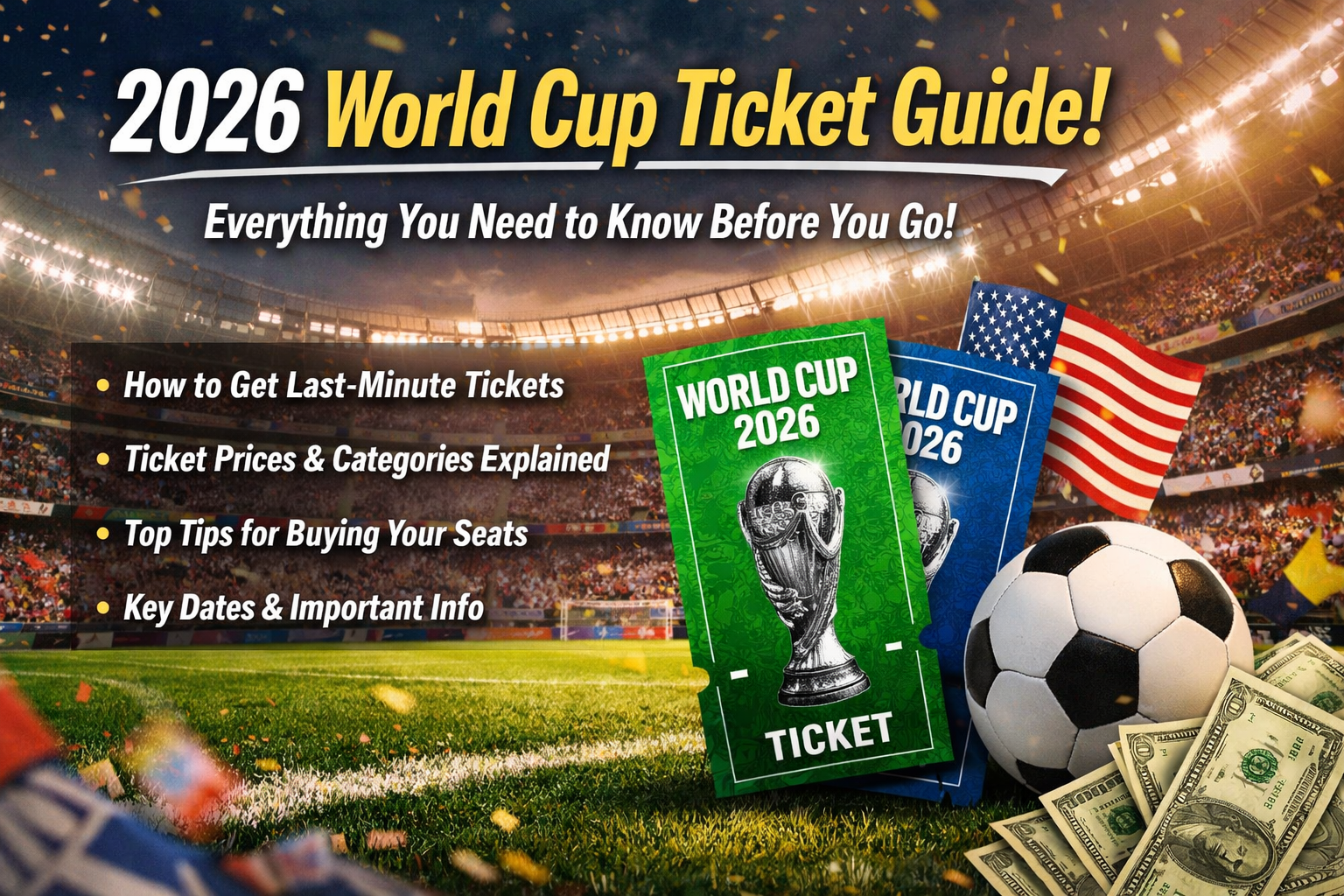
Planning a trip to the 2026 FIFA World Cup means embracing adventure across three countries—Canada, Mexico, and the United States—with matches in 16 host cities from June 11 to July 19, 2026. 

The tournament’s spread-out format (104 games total) encourages multi-city travel, but smart planning keeps it manageable and fun. 

FIFA grouped venues into three regions to minimize long hauls for teams and fans: Western (coastal vibes), Central (heartland energy), and Eastern (urban hustle). Expect 6+ million visitors, so book flights, hotels, and ground transport early—demand is already sky-high.

The 16 cities span vast distances (nearly 3,000 miles north-south), so focus on one region for easier travel, or chain a few if following your team. Here’s the breakdown with key venues and travel highlights:

Western Region: Vancouver, Seattle, San Francisco Bay Area, Los Angeles (plus Mexican ties)

Vancouver, Canada — BC Place (54,000 capacity). Fly into Vancouver International Airport (YVR)—excellent public transit (SkyTrain) to downtown/stadium.

Seattle, USA — Lumen Field (69,000). Seattle-Tacoma International (SEA) connects easily via light rail (Link) to downtown, then a short walk/bus to the stadium.

San Francisco Bay Area, USA — Levi’s Stadium (Santa Clara, 71,000). San Francisco International (SFO) or San Jose (SJC); Caltrain or BART + shuttle for stadium access.

Los Angeles, USA — SoFi Stadium (Inglewood, 70,000). Los Angeles International (LAX) is a major hub; Metro rail extensions help, but rideshares or rentals are common for stadium (traffic-heavy).

This region’s coastal cities suit scenic drives or short flights. Vancouver-Seattle is drivable (~3 hours) or ferry-friendly; LA to SF is ~6-hour drive or quick flight.

Central Region: Guadalajara, Mexico City, Monterrey (Mexico); Dallas, Houston, Kansas City (USA)

  • Mexico City, Mexico — Estadio Azteca (83,000, opening match venue). Mexico City International (MEX) or Felipe Ángeles (NLU); Metro system reaches near stadium, but taxis/Uber reliable.
  • Guadalajara, Mexico — Estadio Akron (48,000). Guadalajara International (GDL); good local buses/taxis.
  • Monterrey, Mexico — Estadio BBVA (53,500). Monterrey International (MTY); efficient metro/taxis.
  • Dallas (Arlington), USA — AT&T Stadium (94,000, most matches). Dallas-Fort Worth International (DFW) huge hub; DART rail or shuttles to stadium.
  • Houston, USA — NRG Stadium (72,000). George Bush Intercontinental (IAH) or Hobby (HOU); METRORail Red Line direct to stadium.
  • Kansas City, USA — Arrowhead Stadium (73,000). Kansas City International (MCI); rideshares or shuttles (limited public transit).

Mexico’s cities connect via short domestic flights (1-2 hours); US side favors drives (Dallas-Houston ~4 hours) or flights.

Eastern Region: Atlanta, Boston, Miami, New York/New Jersey, Philadelphia (USA); Toronto (Canada)

  • Toronto, Canada — BMO Field (45,000, expanded). Toronto Pearson (YYZ); UP Express train to downtown, then transit to stadium.
  • Boston (Foxborough), USA — Gillette Stadium (65,000). Boston Logan (BOS); MBTA commuter rail or shuttles.
  • New York/New Jersey (East Rutherford) — MetLife Stadium (82,500, final venue). Newark (EWR), JFK, or LaGuardia (LGA); NJ Transit special event trains.
  • Philadelphia, USA — Lincoln Financial Field (69,000). Philadelphia International (PHL); SEPTA rail/walk.
  • Atlanta, USA — Mercedes-Benz Stadium (75,000). Hartsfield-Jackson Atlanta International (ATL, world’s busiest); MARTA rail direct to stadium.
  • Miami (Miami Gardens), USA — Hard Rock Stadium (65,000). Miami International (MIA) or Fort Lauderdale (FLL); Tri-Rail or rideshares.

Northeast Corridor shines here—Amtrak trains link Boston-NY-Philadelphia quickly (under 4 hours total), often faster than flying with airport time.

Best Ways to Travel Between 2026 FIFA World Cup Host Cities

Best Ways to Travel Between 2026 FIFA World Cup Host Cities

With distances from short hops to cross-continent treks, mix modes for efficiency:

  • Flights — Fastest for long distances (e.g., LA to NY ~5 hours). Major hubs like ATL, DFW, LAX, ORD (Chicago, not a host but a connector), and YYZ handle international arrivals. Book early—prices spike June-July 2026. Domestic carriers (Delta, American, United) dominate; budget options like Spirit/Southwest for short hops.
  • Trains — Ideal in Eastern Region (Amtrak Acela: Boston-NY-Philly). The Northeast Corridor is reliable and scenic. Limited elsewhere—Canada’s VIA Rail or Mexico’s trains are less frequent.
  • Driving/Road Trips — Great for regional clusters (e.g., Seattle-Vancouver, Dallas-Houston). Rent cars/SUVs/vans for groups; expect traffic near stadiums. RV options popular for multi-city adventures (book early—demand high with overlapping events like US 250th anniversary).
  • Buses — Budget-friendly (FlixBus, Greyhound, Vonlane luxury in Texas). Good for Central/Eastern short routes.
  • Within Cities — Public transit shines in Seattle (light rail), Atlanta (MARTA), Houston (METRORail), NYC (subways/trains). Rideshares (Uber/Lyft) or private transfers are best for stadiums in car-heavy areas (LA, Dallas). FIFA Fan Festivals are often near transit hubs.

Pro tip: Stick to 1-2 regions to cut jet lag and costs—e.g., Western for coastal vibes or Eastern for train ease. FIFA emphasizes sustainable travel; many cities boost public options.

Practical Travel Tips for the 2026 FIFA World Cup: Beat the Crowds and Save Time

Everything New in the 2026 FIFA World Cup
  • Book Early — Flights, hotels, and ground transport sell out fast—demand could hit 6.5+ million attendees. Use flexible options for knockout progression.
  • Visas & Borders — U.S./Canada: ESTA for many (apply early); Mexico: visa-free for most. Cross-border (e.g., Toronto to U.S.) needs passport.
  • Game-Day Logistics — Stadiums often suburban—plan 2-3 hours buffer for traffic/security. Use official FIFA apps for updates; many cities add shuttles/transit ambassadors.
  • Sustainability & Comfort — Opt for trains/buses where possible to cut emissions. Pack light—carry-ons beat checked bags in crowds.
  • Budget Hacks — Regional focus saves big (one area = fewer flights). Group charters split costs; off-peak travel avoids surges.

This setup turns the World Cup into a North American road trip—mix soccer with city vibes, from LA beaches to Toronto’s energy to Mexico City’s tacos. Whether chasing your team coast-to-coast or sticking local, plan smart and you’ll have stories for life. Safe travels—see you in the stands!

Plan Your FIFA World Cup 2026 Trip with Makanaat.com

Planning to experience the FIFA World Cup 2026 in person? Let Makanaat.com handle everything—flights, hotels, match-day transfers, and a seamless travel itinerary from Dubai.

Contact our travel consultants today to get a personalized World Cup travel plan, early-bird availability, and the best routing across host cities in the USA, Canada, and Mexico.
Reach out now at Makanaat.com to start planning your 2026 World Cup journey.

For Travel Guidness Contact Us

Travel Guide

Leave a Reply

Your email address will not be published. Required fields are marked *