Best Travel Agency in Dubai

Canadian Provinces and Territories: The Complete Guide (2026)

Canada is the second-largest country in the world by land area. It is divided into 10 provinces and 3 territories, each offering distinct landscapes, cultures, and travel experiences.

Although provinces and territories may appear similar on a map, they differ significantly in governance. Provinces exercise constitutional powers in their own right, giving them greater autonomy over areas such as education, healthcare, and local laws. 

Territories, by contrast, receive delegated authority from the federal government, though this gap is gradually narrowing with increased local control.

Canada has a population of approximately 41.3 million spread across 9.98 million square kilometers. Its economy is valued at around CAD 3.1 trillion, with tourism contributing 1.77% of GDP in Q2 2025. The tourism sector is projected to generate up to CAD 183 billion by the end of 2025 and support over 2 million jobs, driven largely by strong domestic travel.

From towering mountain ranges and dense forests to Arctic tundra and dramatic coastlines, every region of Canada offers something unique. Whether you are planning a visit, studying geography, or exploring cultural diversity, understanding Canada’s provinces and territories provides valuable insight into the country’s identity.

Below is a complete overview of Canada’s 10 provinces, listed from west to east, followed by its three northern territories, highlighting their key features, major cities, and notable attractions.
1. British Columbia: The Pacific Jewel Among Canadian Provinces

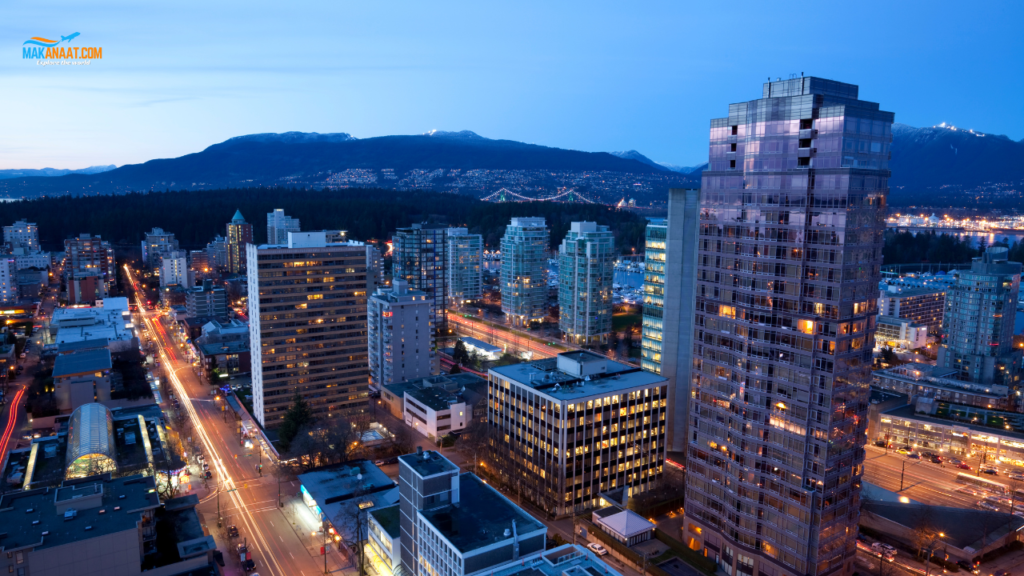
British Columbia is Canada’s westernmost province, bordered by the Pacific Ocean. Known for its mild climate and diverse geography, B.C. features coastal islands, rainforests, and mountain ranges.

Major cities include Victoria (capital), Vancouver, Whistler, and Kelowna. Vancouver is a vibrant global city, Victoria is known for its historic charm, and Whistler is a world-famous winter sports destination.

Why people love it ?

B.C. is where the ocean, islands, rainforests, and big mountains collide. It has some of Canada’s more temperate pockets, especially along the coast.

Key stats:

B.C. has a population of 5.67 million across 944,735 km², making it the third-largest province by area. Its GDP clocks in at $429 billion CAD (13.8% of Canada’s total), with a per capita GDP of $75,662 CAD—solid numbers driven by resources, tech, and tourism. 

The tourism front, B.C. attracts 28% of Canada’s foreign visitors, and indigenous tourism in the province generated $525 million in revenues in 2023, contributing $240 million to the GDP. In 2025, international arrivals to B.C. are up, with strong growth from overseas markets.

What to do in British Columbia?

  • Vancouver for a modern city base (food, culture, skyline, day trips)

  • Victoria for heritage charm and harbor walks

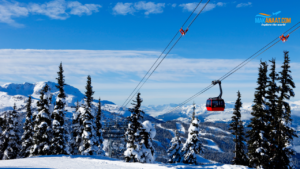
  • Whistler for winter sports and summer mountain trails

  • Okanagan Valley for vineyards and lake life

If your ideal trip is “nature + comfort,” B.C. is usually the first pick.

2. Alberta: The Rocky Mountain Powerhouse of Canadian Provinces

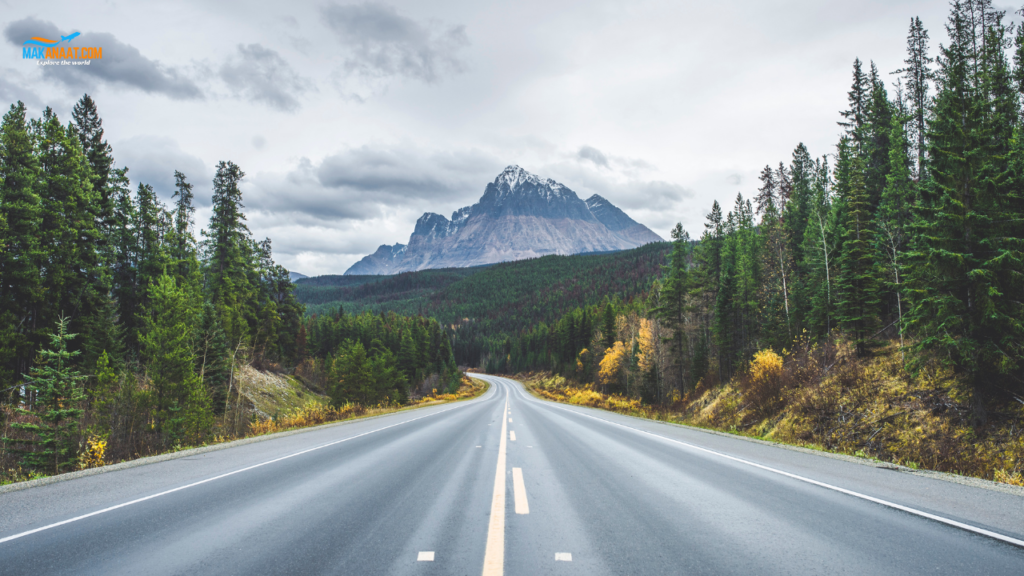
Alberta is one of Canada’s three prairie provinces and shares the Rocky Mountains with British Columbia. It is a major center for Canada’s oil and gas industry, including the Athabasca oil sands. Alberta blends prairie skylines with the Canadian Rockies, and it’s a major hub for Canada’s energy sector.

Key cities include Edmonton (capital), Calgary, Banff, and Jasper. Alberta is famous for the Calgary Stampede, Banff and Jasper National Parks, and Head-Smashed-In Buffalo Jump, a UNESCO World Heritage Site.

What Alberta is known for ?

Alberta blends prairie skylines with the Canadian Rockies, and it’s a major hub for Canada’s energy sector.

Key Stats

With a population of 4.91 million over 661,848 km², Alberta ranks fourth in size. Economically, it’s a beast: GDP of $474 billion CAD (15.3% national share) and a sky-high per capita GDP of $96,544 CAD, thanks to energy and resources. Tourism-wise, indigenous contributions hit $566 million in revenues and $234 million to GDP in 2023. Overall, Alberta’s tourism is rebounding, with 2025 forecasts showing solid domestic growth

Don’t-miss experiences

  • Banff and Jasper for two iconic national-park landscapes

  • Calgary Stampede for cowboy culture at full volume

  • Edmonton’s huge city attractions and festivals

  • Head-Smashed-In Buffalo Jump, a UNESCO World Heritage site tied to nearly 6,000 years of Plains buffalo-hunting history

3. Saskatchewan: The Heartland Gem in Canadian Provinces

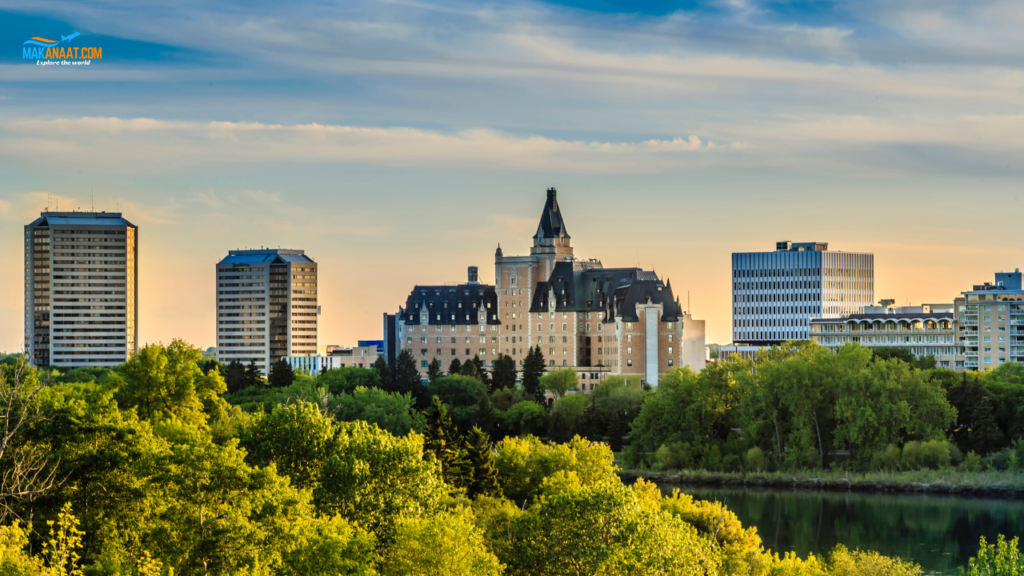
Located between Alberta and Manitoba, Saskatchewan is a landlocked prairie province. Most of its population lives in the southern region, particularly in Regina (capital) and Saskatoon.

Agriculture dominates the economy, followed by mining, oil, and natural gas. The province is known for fishing, hunting, and wide-open landscapes. The University of Saskatchewan campus is considered one of Canada’s most beautiful.

Why people love it ?

Wide-open prairie energy, big skies, and a strong agriculture backbone—plus mining, oil, and gas in the economic mix.

Key Stats

Population: 1.25 million across 651,036 km². GDP stands at $113 billion CAD (3.6% share), with per capita at $90,425 CAD—boosted by mining, oil, and farming. Indigenous tourism added $236 million in revenues and $102 million to GDP in 2023.

Don’t-miss experiences

  • Saskatoon and Regina are the main city bases

  • Fishing, hunting, and outdoor trips that feel genuinely uncrowded

  • Walk the University of Saskatchewan campus if you like classic architecture

4. Ontario: The Population Giant Among Canadian Provinces

Ontario is Canada’s most populous province and home to Ottawa, the nation’s capital, and Toronto, the financial hub.

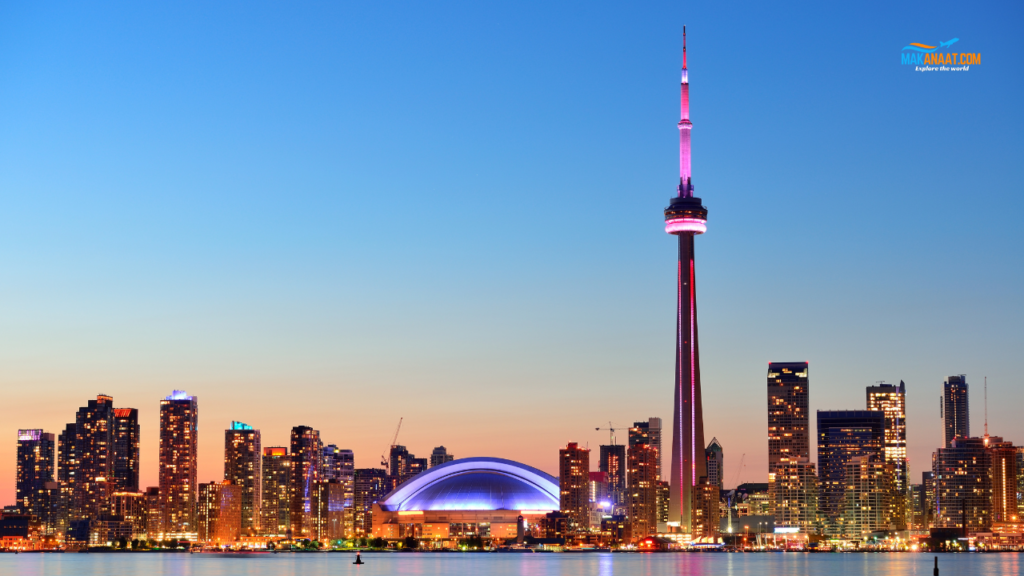
Most people live in southern Ontario near the Great Lakes. Major attractions include Niagara Falls, Algonquin Park, the Bruce Trail, and the iconic CN Tower, which dominates Toronto’s skyline.

What Ontario does best?

Ontario is Canada’s population heavyweight, home to Ottawa (federal capital) and Toronto (big finance and big city energy).

Key Stats

Massive population of 16.1 million in 1,076,395 km² (second-largest area). GDP dominates at $1.2 trillion CAD (38.5% share), per capita $74,143 CAD. Tourism? It snags 46.9% of foreign visitors, with indigenous tourism at $1 billion in revenues and $426 million GDP in 2023. But 2025 saw an 8% dip in visitors from some regions.

Don’t-miss experiences

  • Niagara Falls and Niagara-on-the-Lake for classic stops

  • Algonquin Park for lakes-and-forest Canada

  • The Bruce Trail, known as a major long-distance footpath route

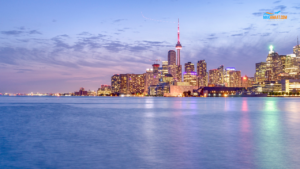
  • The CN Tower defines Toronto’s skyline at 553.3 m / 1,815.5 ft

5. Manitoba: The Eastern Prairie Wonder of Canadian Provinces

Manitoba sits at the longitudinal center of Canada and is the easternmost prairie province. While most residents live in the south, the northern region includes Arctic tundra and Canadian Shield terrain.

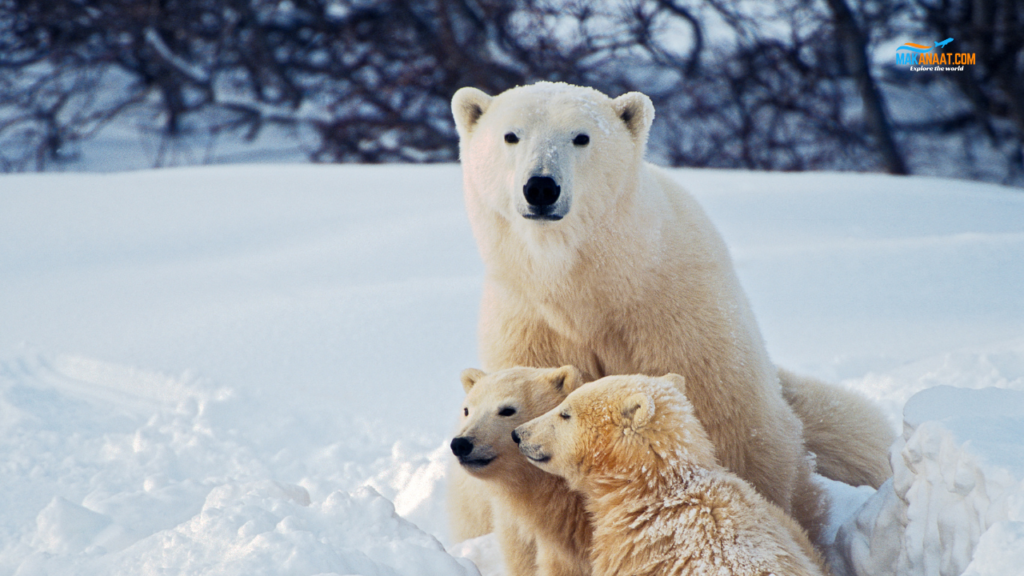
Winnipeg is the capital, while Churchill is internationally famous for polar bear viewing and northern lights. Manitoba is also home to vibrant festivals such as Folklorama and Festival du Voyageur.

Why Manitoba surprises people ?

Manitoba sits near Canada’s longitudinal centre and shifts from busy south to a north filled with Canadian Shield rock and tundra.

Key Stats

Home to 1.49 million people in 647,797 km². GDP: $96 billion CAD (3.1% share), per capita $64,421 CAD. Indigenous tourism: $150 million in revenues, $71 million in GDP in 2023.

Don’t-miss experiences

  • Winnipeg for culture, museums, and food

  • Churchill for polar bears and strong northern lights potential

  • Two well-known festival moments: Le Festival du Voyageur and Folklorama

6. Quebec: The French-Flavored Star of Canadian Provinces

Quebec is Canada’s second-most populous province and the largest by land area. It is known for its French-speaking population and rich cultural heritage.

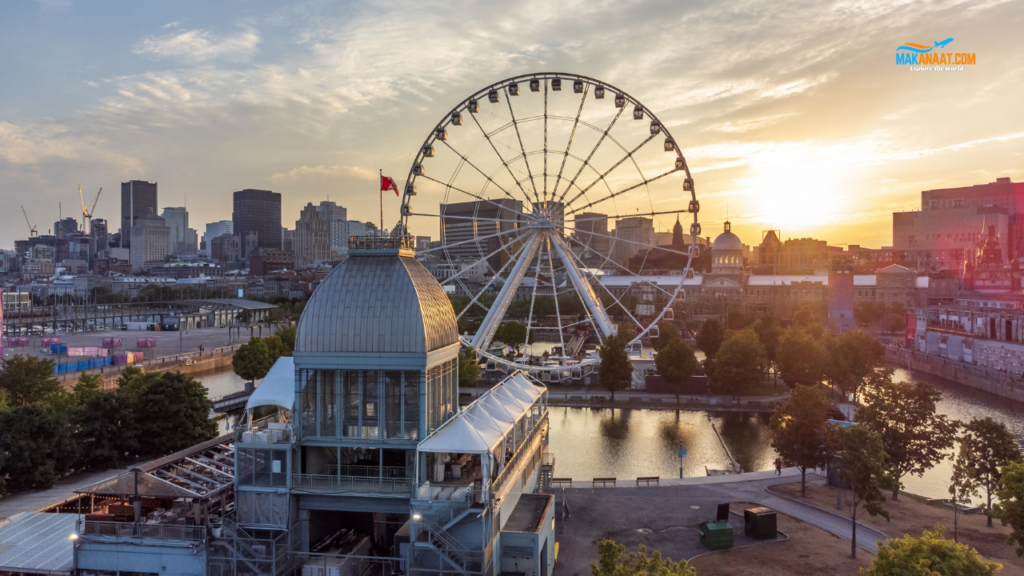
Most residents live along the St. Lawrence River, especially in Montreal and Quebec City (capital). Highlights include Old Quebec, a UNESCO World Heritage Site, the Plains of Abraham, and excellent ski resorts.

What makes Quebec different ?

French language, deep heritage, and a culture that feels European—especially along the St. Lawrence River corridor.

Key Stats

Population: 9 million in 1,542,056 km². GDP: $617 billion CAD (19.8% share), per capita $68,565 CAD. Attracts 14% foreign visitors; indigenous tourism: $306 million revenues, $152 million GDP in 2023.

Don’t-miss experiences

  • Montréal for food, neighbourhood life, and festivals
  • Québec City for storybook streets and fortress energy
  • Old Québec / Historic District of Old Québec, a UNESCO World Heritage site with fortified colonial-town features
  • The Plains of Abraham for history-minded travellers
  • Ski resorts if you’re planning a winter trip

7. Nova Scotia: The Seafaring Delight of Canadian Provinces

Nova Scotia is a peninsula province and one of Canada’s most densely populated regions. It is part of Atlantic Canada and rich in maritime culture.

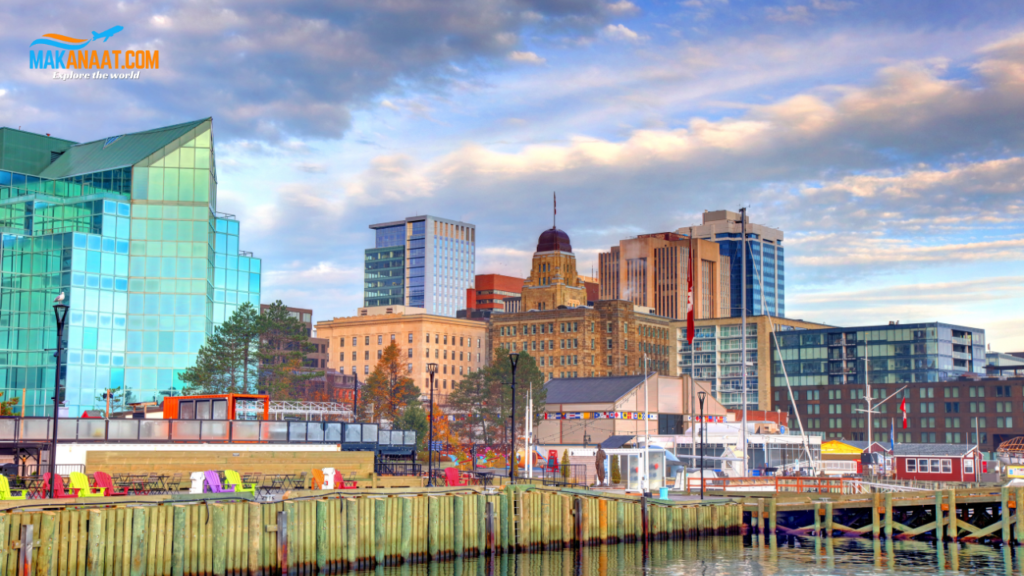
Key locations include Halifax (capital), Sydney, Peggy’s Cove, and Wolfville. Visitors come for the Cabot Trail, fresh seafood, Celtic heritage, and the historic Fortress of Louisbourg.

What Nova Scotia is known for ?

Big coastal beauty in a smaller space—plus strong Celtic cultural roots and legendary seafood.

Key Stats

1.08 million residents in 55,284 km². GDP: $65 billion CAD (2.1% share), per capita $60,343 CAD. Indigenous tourism: $22 million in revenues, $11 million in GDP in 2023. YTD Sep 2025: 1.7 million visitors, up 1%.

Don’t-miss experiences

  • Drive the Cabot Trail (one of Canada’s most famous scenic routes)

  • Visit Halifax for a waterfront city energy

  • Peggy’s Cove for lighthouse-country vibes

  • Fortress of Louisbourg for historical immersion

  • Annapolis Valley for wine country

8. New Brunswick: The Coastal Charm in Canadian Provinces

New Brunswick

New Brunswick is one of Canada’s three Maritime provinces, located on the east coast and bordering Maine, USA.

Major cities include Fredericton (capital), Moncton, and Saint John. The province is famous for the Bay of Fundy, dramatic tides, coastal lighthouses, and scenic Appalachian landscapes.

Why it’s worth your time ?

New Brunswick is one of the three Maritime provinces and is loaded with coastline scenery.

Key Stats:

Population: 858,000 in 72,908 km². GDP: $48 billion CAD (1.6% share), per capita $56,277 CAD. Indigenous tourism: $157 million in revenues, $70 million GDP in 2023.

Don’t-miss experiences

  • Bay of Fundy coastline trips and tidal scenery

  • Scenic drives through the Appalachian landscapes

  • Lighthouse spotting and small coastal towns

  • City bases: Fredericton, Moncton, Saint John

9. Newfoundland and Labrador: The Eastern Edge of Canadian Provinces

This is Canada’s easternmost province, made up of the island of Newfoundland and mainland Labrador.

Most people live on the island, with St. John’s as the capital. The province is famous for friendly locals, Gros Morne National Park, iceberg viewing, and whale watching.

What it’s famous for?

This is the far east of Canada—Atlantic cliffs, strong local identity, and famously friendly “come have a chat” energy.

Key Stats

Population: 547,000 in 405,212 km². GDP: $42 billion CAD (1.4% share), per capita $77,201 CAD. Indigenous tourism: $102 million revenues, $48 million GDP in 2023.

Don’t-miss experiences

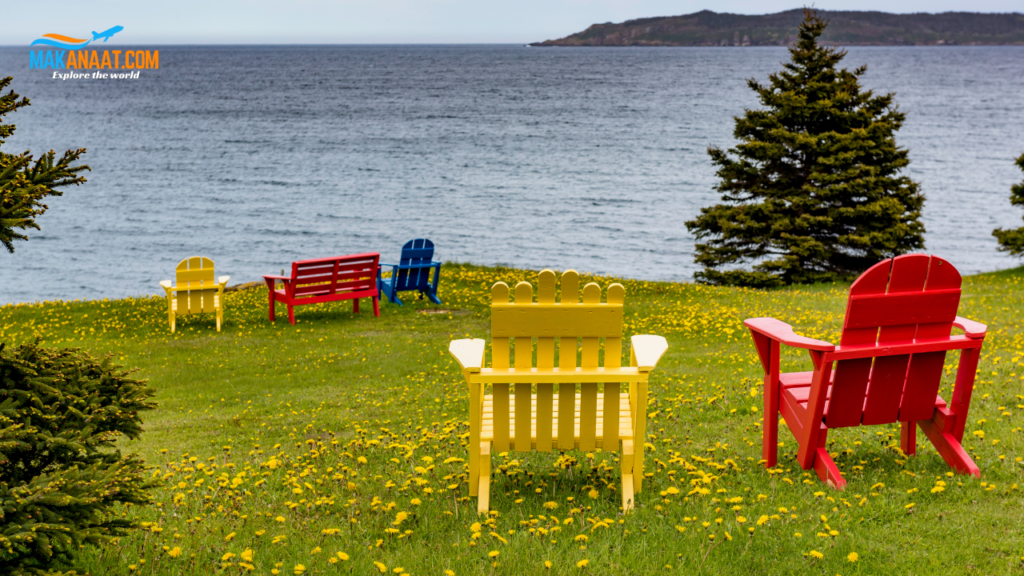
  • St. John’s for colourful streets and ocean views

  • Gros Morne National Park for epic fjord-like landscapes

  • Icebergs and whale watching (seasonal, but unforgettable when it hits)

10. Prince Edward Island: The Tiny Treasure Among Canadian Provinces

Prince Edward Island is Canada’s smallest province by land area and population. It consists of 232 islands, with the main island sharing the same name.

The capital is Charlottetown. P.E.I. is best known for Anne of Green Gables, red sand beaches, and high-quality mussels and seafood.

Why it’s so lovable?

P.E.I. is Canada’s smallest province, and it leans into that charm: gentle beaches, colourful towns, and an easy pace.

Key Stats

Population: 180,000 in just 5,660 km² (smallest). GDP: $11 billion CAD (0.4% share), per capita $60,592 CAD. Indigenous tourism: $9 million in revenues, $5 million GDP in 2023.

Don’t-miss experiences

  • Charlottetown for history and walkable streets
  • Anne of Green Gables” connections for literature fans
  • Fresh seafood—especially mussels

Territories of Canada (North)

1. Yukon: The Wild Frontier in Canadian Territories

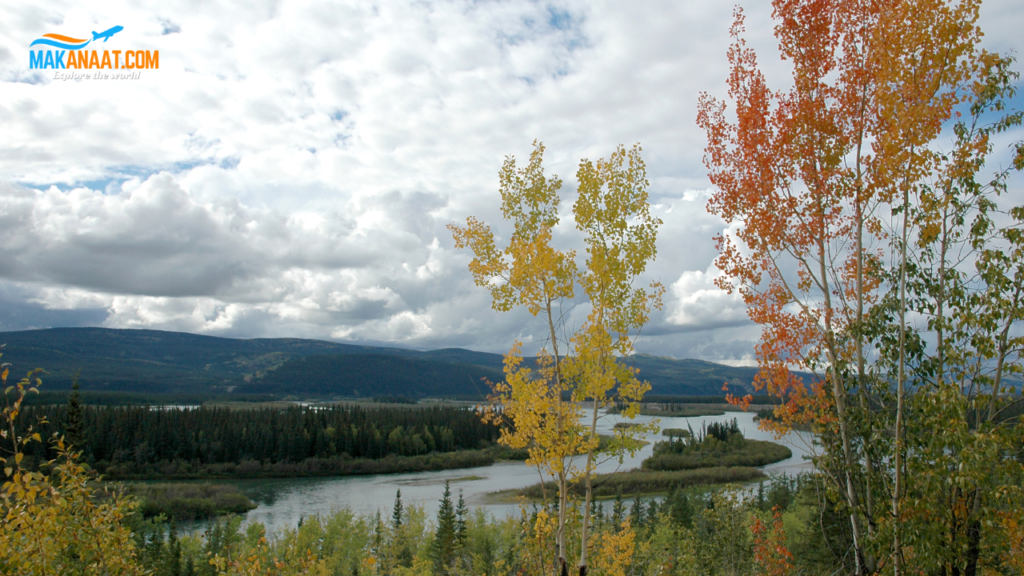
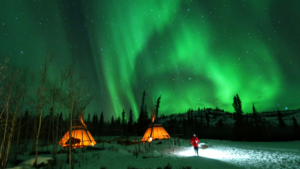
Yukon is the westernmost and smallest of Canada’s territories, bordering Alaska. Its capital, Whitehorse, is the territory’s only city. Yukon is known for the Klondike Gold Rush, Mount Logan (Canada’s highest peak), northern lights, dog sledding, and the midnight sun.

Why travellers go ?

Yukon is a bucket-list territory: northern lights, Klondike Gold Rush history, and dramatic mountain scenery.

Key Stats

Population: 48,000 in 482,443 km². GDP: $4.3 billion CAD (0.1% share), per capita $91,375 CAD. Indigenous tourism: $52 million in revenues, $26 million GDP in 2023.

Don’t-miss experiences

  • Whitehorse as the main base

  • Kluane National Park area for Canada’s highest peak region

  • Summer “midnight sun” vibes

  • Dog sledding in winter travel seasons

2. Nunavut: The Northernmost Marvel in Canadian Territories

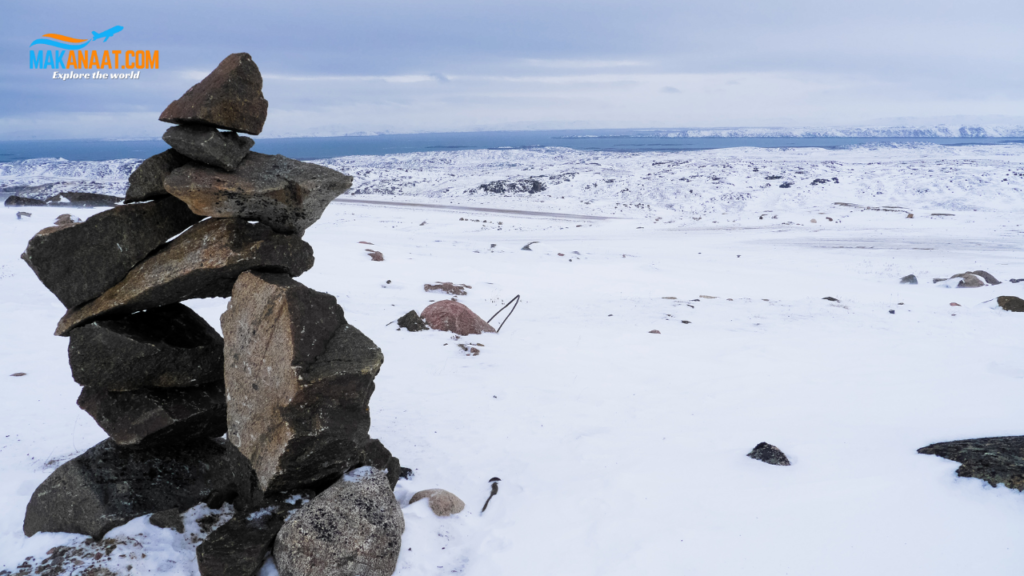
Nunavut is Canada’s newest and largest territory, created in 1999. It is also the northernmost and one of the most remote places on Earth.

The capital is Iqaluit. Visitors come for polar bears, narwhals, Arctic landscapes, and Inuit culture. The territory is renowned for Indigenous art, carvings, and traditional clothing.

A key history point

Nunavut is Canada’s newest territory, created in 1999 after being separated from the Northwest Territories.

Key Stats

Largest territory with 41,000 people in 2,093,190 km². GDP: $5.7 billion CAD (0.2% share), per capita $136,875 CAD—the highest in Canada. Indigenous tourism: $233 million in revenues, $99 million GDP in 2023.

Don’t-miss experiences

  • Iqaluit as the capital base

  • Wildlife viewing (including narwhals and polar bears, depending on region/season)

  • Inuit art, carvings, and traditional handmade clothing—often showcased in local museums and cultural spaces

3. Northwest Territories: The Adventurous Core of Canadian Territories

The Northwest Territories is the most populous territory and lies between Yukon and Nunavut.

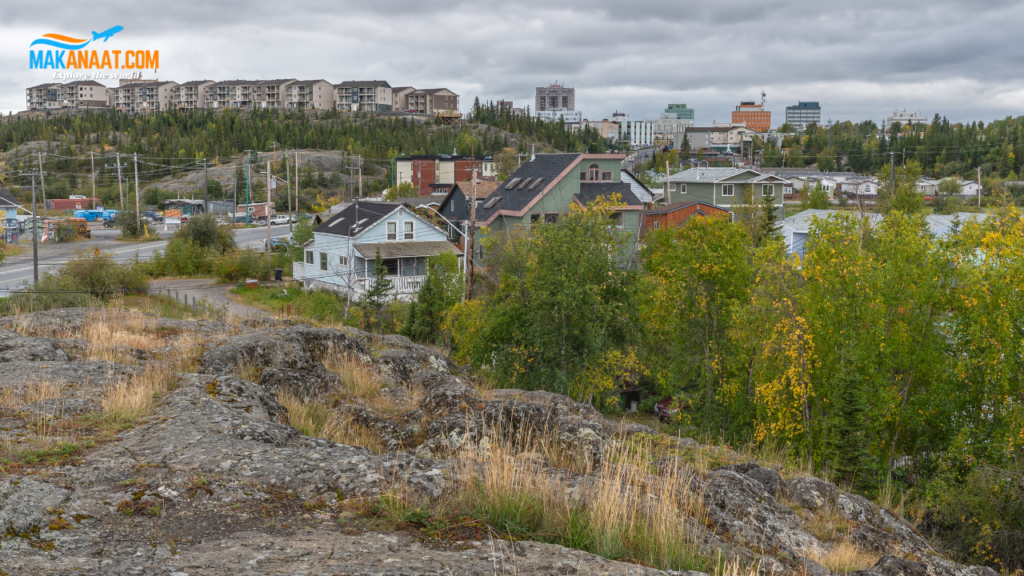
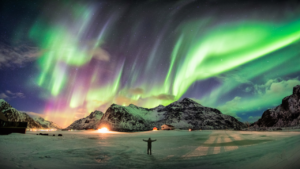
The capital is Yellowknife, famous for aurora viewing. The region is known for rugged wilderness, the Nahanni River, and rich Indigenous cultures, with 11 official languages.

What makes Northwest Territories special?

Northwest Territories is a northern-adventure classic: rugged landscapes, huge rivers, and strong Indigenous cultural presence.

Key Stats

Population: 45,000 in 1,346,106 km². GDP: $5.1 billion CAD (0.2% share), per capita $113,198 CAD. Indigenous tourism: $285 million revenues, $121 million GDP in 2023.

Don’t-miss experiences

  • Yellowknife as the aurora base for many travellers

  • Nahanni National Park Reserve region for legendary wilderness scenes

  • Summer “midnight sun” experiences

  • Indigenous culture and languages—NWT recognizes multiple official languages (often highlighted in visitor education)

Final Thoughts

Each Canadian province and territory offers a unique blend of geography, culture, and adventure. Whether you’re drawn to mountains, oceans, cities, or Arctic wilderness, Canada has a destination to match every travel style.

Stress-Free Travel to Canada: Your Complete Visa & Travel Solution

Are you planning to visit Canada as a student or tourist? Makanaat.com is your trusted travel agency, offering seamless services to ensure your journey is smooth and stress-free. From visa processing and travel bookings to hotel arrangements and personalized assistance, we handle everything for you. Contact us now and experience hassle-free travel to Canada!

Leave a Reply

Your email address will not be published. Required fields are marked *