Best Travel Agency in Dubai

Planning a Trip to Canada in 2026? Your Complete Step‑by‑Step Guide

Planning a Trip to Canada in 2026? Your Complete Step‑by‑Step Guide

Thinking about a trip to Canada in 2026? You’re in good company — Canada is one of the most popular destinations for international tourists, thanks to its jaw‑dropping nature, safe cities, and welcoming vibe. But with 10 provinces, 3 territories, and wildly different seasons, it’s easy to feel overwhelmed. This guide breaks everything down, so you can plan a smooth, fun, and memorable trip without the stress.

Do I Need a Visa or eTA to Visit Canada in 2026?

If you’re flying to Canada, most visitors from visa‑exempt countries (like the UK, EU, Australia, Japan, etc.) need an eTA (Electronic Travel Authorization). It’s a quick online application that costs about 7 CAD and is usually approved in minutes. The eTA is linked to your passport and is valid for up to 5 years, or until your passport expires, whichever comes first.

Citizens of countries that aren’t visa‑exempt (like Pakistan, India, and many others) will need a visitor visa instead. For that, you’ll need a valid passport, proof of funds, a return or onward ticket, and a clear purpose for your visit (tourism, visiting family, etc.). Processing times can vary, so it’s smart to apply at least a few weeks before your trip.

US citizens only need a valid passport (and sometimes a green card) to enter Canada by land, sea, or air. US permanent residents (green card holders) can also enter without a visa or eTA, but they must carry their green card. If you’re unsure which rules apply to you, use the official Canadian government tool to check your entry requirements before booking anything.

When Is the Best Time to Visit Canada in 2026?

Canada’s weather changes dramatically by season, so timing your trip right can save money and stress. Summer (June–August) is the peak season, characterized by warm weather and long days, with all national parks and attractions fully open. This is ideal for hiking, lakes, and outdoor adventures, but prices are higher, and popular spots like Banff and Niagara Falls can be crowded.

For a better balance of weather and value, consider the shoulder seasons: late May and September. You’ll still get mild temperatures and plenty of daylight, but hotel and flight prices are typically 15–30% lower than in peak summer. These months are perfect for first‑time visitors who want great weather without the biggest crowds.

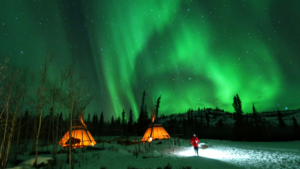
Winter (December–February) is cold and snowy, but it’s the best time for skiing, snowboarding, and seeing the Northern Lights in the Yukon or Northwest Territories. Cities like Toronto, Vancouver, and Quebec City stay lively indoors with museums, restaurants, and festivals. If you love winter sports or unique northern experiences, a winter trip can be magical.

Where Should I Go in Canada? (Realistic 2026 Itineraries)

Canada is huge, so trying to “see everything” in one trip is unrealistic and exhausting. Instead, focus on 1–2 regions unless you have 3+ weeks. Most first‑time visitors choose either Western Canada (Vancouver + Rockies) or Eastern Canada (Toronto–Montreal–Quebec), because they offer a strong mix of cities and nature.

For a classic first trip, aim for 7–10 days in Vancouver and the Canadian Rockies. Spend a few days in Vancouver exploring the city, then head to Banff and Lake Louise for mountain scenery, lakes, and hiking. If you have extra time, add Whistler for skiing or more mountain views.

Another great option is a city and culture trip: Toronto, Niagara Falls, Ottawa, Montreal, and Quebec City. This route is perfect for travelers who love cities, food, history, and festivals. You can connect these places easily by train (VIA Rail) or short flights, making it a relaxed and enjoyable itinerary.

If you love nature and coastlines, consider 10–14 days in Vancouver Island, Whistler, and the Rockies. Explore Victoria and Tofino on Vancouver Island, spend a few days in Whistler for outdoor activities, then finish with Banff and Jasper. This trip offers mountains, forests, and ocean in one journey, but it requires more time and budget.

What are the most popular regions for tourists?

Here’s a quick comparison of Canada’s top tourist regions:

RegionHighlightsBest ForIdeal Trip Length
Western Canada (Vancouver + Rockies)Vancouver, Banff, Lake Louise, Jasper, WhistlerNature, hiking, lakes, skiing, photography7–10 days
Eastern Canada (Toronto, Niagara, Ottawa, Montreal, Quebec City)Niagara Falls, Toronto, Ottawa, Montreal, Quebec CityCities, culture, food, history, festivals7–10 days
Atlantic Canada (Nova Scotia, PEI, New Brunswick, Newfoundland)Cabot Trail, fishing villages, whale watching, seafoodScenic drives, relaxed pace, value7–14 days
Northern Canada (Yukon, NWT, Churchill)Northern Lights, polar bears, remote wildernessUnique wildlife, auroras, adventure5–10 days (often combined with a southern trip
 

How Do I Get Around Canada in 2026?

Getting around Canada depends on whether you’re hopping between cities or exploring nature. For long distances, flights are usually the fastest and most convenient option. Airlines like Air Canada, WestJet, and budget carriers connect major cities, with one‑way tickets typically costing 80–400 CAD depending on the route and how early you book.

Trains are a scenic and comfortable way to travel, especially in Eastern Canada. VIA Rail connects Toronto, Ottawa, Montreal, Quebec City, and Halifax, making it easy to hop between cities without driving. Train tickets usually range from 50–150 CAD per leg, and prices are lower if you book in advance.

Buses are the cheapest option for short hops between cities, like Toronto to Niagara Falls or Toronto to Montreal. Companies like Flixbus offer affordable fares, but the rides are much slower than flights or trains. Buses work well for budget travelers or short trips, but they’re not ideal for long distances or tight schedules.

How to Get Around in Cities and National Parks

In major Canadian cities, public transport is usually reliable and tourist‑friendly. Toronto has the TTC (subway, streetcars, buses), Vancouver has SkyTrain and buses, and Montreal has the Metro and buses. Most cities offer day passes (around 10–15 CAD) that are the best value if you plan to use transit several times.

Taxis and rideshares (Uber, Lyft) are widely available in cities and useful for late nights, bad weather, or when you have luggage. Fares are higher than in some countries, but they’re convenient for getting from the airport to your hotel or for short trips around town.

If you’re visiting national parks like Banff, Jasper, or Yoho, you’ll almost always need a rental car. There’s no public transport inside most parks, so a car lets you reach trailheads, lakes, and viewpoints at your own pace. Economy cars cost about 50–70 CAD per day, while SUVs (better for mountain roads) are around 70–120 CAD.

Guided tours are a great alternative if you don’t want to drive. Day trips from cities (like Banff from Calgary or Niagara from Toronto) are popular and include transport and a guide. Multi‑day tours (Rockies, Maritimes) often include transport, accommodation, and some meals, making them a hassle‑free option.

How Much Does a Trip to Canada Cost in 2026?

Costs in Canada vary a lot by region, season, and travel style, but here’s a realistic daily budget per person in Canadian dollars (CAD). For accommodation, budget travelers can find hostels and budget hotels for 100–150 CAD per night, while mid‑range hotels usually cost 150–250 CAD. Luxury stays can easily go over 300 CAD per night.

Food costs depend on where you eat. Fast food or casual meals are around 15–25 CAD, while a meal at a mid‑range restaurant is typically 20–40 CAD per person. A nice dinner in a good restaurant might cost 50–80 CAD or more. If you cook some meals yourself, you can save a lot, especially in self‑catering accommodations.

Transport costs add up quickly. City transit is usually 10–15 CAD per day with a pass, while intercity buses and trains range from 20–150 CAD per leg. Flights between major cities can be 100–300 CAD one way. Activities like national park entry (10–20 CAD per person) and tours (50–150+ CAD) should also be factored into your daily budget.

Daily budget per person (CAD)

CategoryBudget RangeNotes
Accommodation100–300+Hostels: 50–100; mid‑range hotels: 150–250; luxury: 300+ .
Food40–100Fast food: 15–25; casual restaurant: 20–40; nice dinner: 50–80+ .
Transport20–150City transit: 10–15; intercity bus: 20–80; train: 50–150; flight: 100–300 .
Activities20–100National park entry: 10–20 per person; tours: 50–150+.
Daily Total (per person)180–550+Budget traveler: ~180–250; mid‑range: ~300–400; luxury: 500+ .

What Are the Top Canada Travel Tips for 2026?

Don’t try to do everything in one trip — Canada is enormous, and trying to cover too many places leads to burnout and wasted money. Focus on 1–2 regions (like Vancouver + Rockies or Toronto–Montreal–Quebec) and enjoy them properly. This makes your trip more relaxed and gives you time to actually experience each place.

Book key things early, especially if you’re traveling in summer. Flights, car rentals, popular hotels, and national park campsites often sell out months in advance. For a 2026 trip, aim to book flights and car rentals 3–6 months ahead, and accommodation 2–4 months ahead to get the best prices and availability.

Tipping is expected in Canada. In restaurants and bars, 15–20% is standard. Taxis, tours, and even some quick‑service places also expect tips. Tipping is usually done on the card machine at checkout, so keep that in mind when budgeting for meals and services.

Pack for the weather and layers, even in summer. Mountain areas can be cold, and winter is very cold, especially in the north. Bring a good coat, hat, gloves, and sturdy shoes. If you’re visiting in winter, make sure your accommodation and car (if rented) are equipped for snow and ice.

Conclusion

So, planning a trip to Canada in 2026 doesn’t have to be complicated or stressful. Start by checking your entry requirements (visa or eTA), then pick a realistic season and region that matches your interests and budget. Whether you’re dreaming of mountain lakes, vibrant cities, or winter adventures, Canada has something unforgettable waiting.

Focus on 1–2 areas instead of trying to see everything, and book key things like flights, car rentals, and accommodation early, especially for summer. Use a mix of flights, trains, and rental cars to get around, and keep a flexible daily budget that covers accommodation, food, transport, and activities.

With a little smart planning, your Canada trip can be smooth, affordable, and full of amazing experiences — from hiking in the Rockies to exploring historic Quebec City or chasing the Northern Lights. If you share your nationality, travel dates, and what kind of trip you’re after, I can help you build a simple, step‑by‑step 2026 itinerary tailored just for you.

Your Gateway to a Seamless Journey: Expert Travel Solutions to Canada

Planning your journey to Canada as a student or tourist? Look no further than Makanaat.com! As a trusted and professional travel agency, we specialize in providing expert guidance and seamless, end-to-end services tailored to make your travel effortless.

From handling visa processing and organizing travel logistics to securing hotel bookings and offering personalized support, we take care of every detail so you can focus on enjoying your trip. Reach out today for a smooth, stress-free, and memorable travel experience to Canada!

For Travel Guidness Contact Us

Curreny Converter

Document
Currency Converter
Base: CAD • Converts the amounts shown on this page
Loading rates…
200 CAD
Rate: — Updated: —
Tip: Rates are estimates. Your bank/card may apply fees.

Leave a Reply

Your email address will not be published. Required fields are marked *