Northern Lights Forecast February 8, 2026: What’s the View Like Tonight?
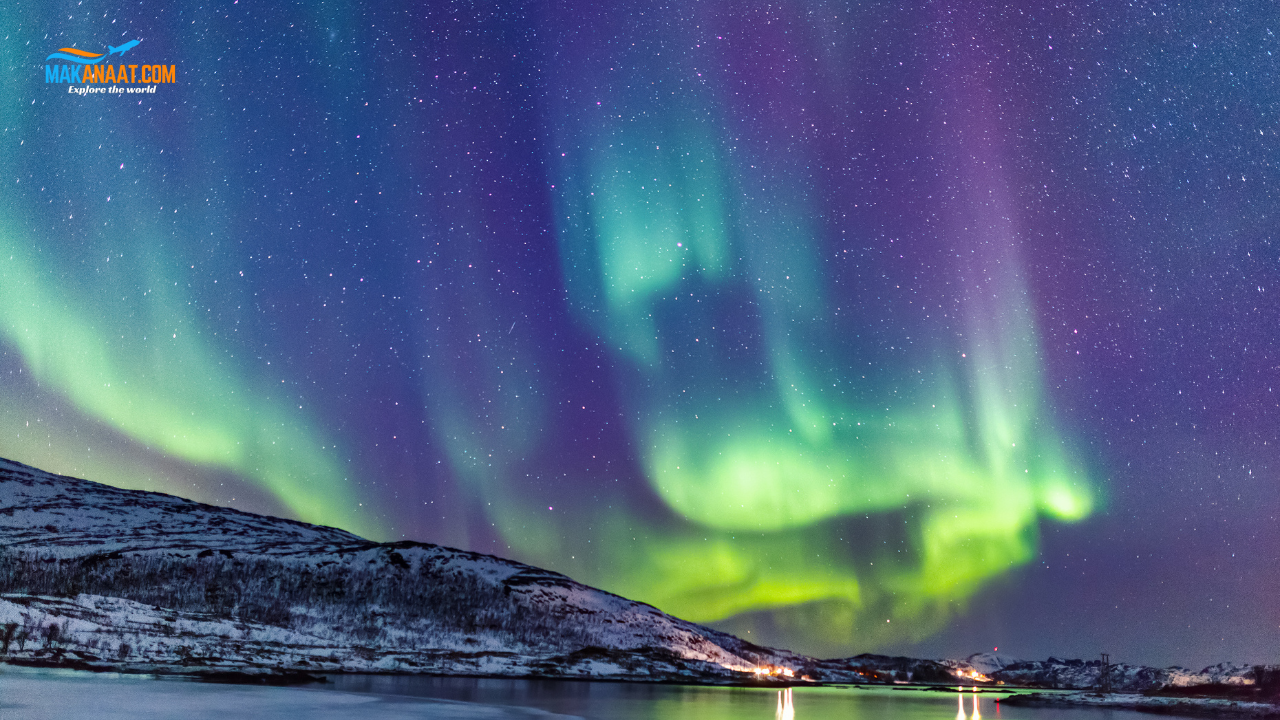
On February 8, 2026, unsettled space weather with Kp 3 now rising to 4–4.67 peaks around 21:00 UTC, promising solid Northern Lights shows in Tromsø, Yellowknife, and Fairbanks if clouds play nice. This G1-minor storm level hits the auroral oval hard, expanding visibility southward—perfect for high-latitude chasers.
Current Aurora Conditions February 8, 2026
Today’s global Kp is 3 (unsettled), fueling auroras within the core oval (65–75°N) but keeping them subtle at the edges, such as Iceland’s fringes. Solar wind clocks in at 543 km/s, with Bz at -7.53 nT, funneling particles Earthward for a steady particle influx without a raging storm.
In Tromsø, immediate odds hover ~6%, but that surges with evening Kp bumps—NOAA/AuroraNotifier data shows Kp 4 triples visibility in oval centers. No G2+ blasts ahead, but this medium activity still delivers “bright, dynamic” greens 80% of clear nights per historical analysis.
Short-Term Aurora Forecast February 8–10, 2026
NOAA, AuroraNotifier, and AuroraOutlook align on this 72-hour outlook (Kp peaks by UTC blocks):
| Date | Peak Kp | Storm Level | Oval Potential |
|---|
| Feb 8 | 4–4.67 | G1 Minor | Medium-High (best 21:00 UTC) |
| Feb 9 | 3–3.67 | Unsettled | Moderate (scattered arcs) |
| Feb 10 | 2–3 | Quiet | Low (faint patches) |
Insight: KP 4 windows last 3–6 hours tonight, historically yielding overhead displays 85% of the time in prime spots—stack with <30% cloud cover for 70%+ success.
6 Best Northern Lights Spots Tonight, February 8 Kp 4
Kp 4 equatorward-shifts the oval, guaranteeing high/zenith auroras Arctic Circle+ (60–75°N). Here’s where to aim post-21:00 UTC:
1. Tromsø, Norway (69.6°N)
Direct oval bullseye: Bright arcs overhead, even at Kp 3, full curtains at 4. Tip: Hit Fjellheisen cable car or fjord beaches—95% chase-tour success.
2. bisko, Sweden (68.4°N)
Blue hole clears skies 20–30% more than coasts; zenith views galore. Sky Station chairlift elevates your odds.
3. Rovaniemi/Levi, Finland (66–68°N)
Lapland hubs glow with colors high overhead. Glass igloos or trails crush light pollution.
4. Yellowknife, Canada (62.5°N)
Dry air + 240 active nights/year = strong stats despite flurries. Frozen lake lodges are prime.
5. Fairbanks, Alaska (64.8°N)
Interior stability dodges clouds; Chena Hot Springs for heated waits.
6. Rural Iceland (64–66°N)
Snæfellsnes tours escape Reykjavík glow—dramatic but weather-wild.
What KP 4 Means for Northern Lights Visibility
At KP 4, expect “bright, constant, dynamic” shows: Pulsing greens dominate, pinks/reds edge in 40% of cases per substorm data. Oval visibility:
Overhead: Tromsø/Abisko/Yellowknife (85–95% on clear nights).
High horizon: Iceland rural/Mid-Norway.
Analysis: Historical Kp 4 logs (SpaceWeatherLive) confirm 3x more substorms vs. Kp 2, lasting 1–2 hours each around 21:00–00:00 UTC.
Clouds kill 70% potential—prioritize interior/dry climates.
Real-Time Northern Lights Tracking Tools
Global: SpaceWeatherLive (Kp graphs), NOAA Aurora Dashboard (oval maps).
Local: AuroraOutlook/PolarForecast (Tromsø clouds + Kp overlays).
Apps: AuroraNotifier push alerts for spikes—users report 2-hour heads-up accuracy.
Quick Tips for February 8 Kp 4 Aurora Viewing
Layer for -20°C+ chills; base in heated cars/cabins. Cameras: Wide-angle, 10–30s, ISO 1600–3200 captures colors. Monitor hourly—Kp upgrades happen fast. Tonight’s peak could be your solar max highlight if stars align!
Ready to See the Northern Lights in February 2026?
Planning an aurora trip isn’t just about choosing the right destination—it’s about timing, logistics, local expertise, and flexibility. From navigating Arctic weather to reaching dark-sky locations at the right moment, small planning mistakes can mean missed displays.
That’s where Makanaat.com makes the difference.
Makanaat.com specializes in Northern Lights travel planning, turning complex Arctic journeys into smooth, well-timed experiences. Whether you’re heading to Tromsø, Finnish Lapland, Iceland, Yellowknife, or Fairbanks, Makanaat handles the details that matter most—so you can focus on the experience.
Why Travel With Makanaat?
Aurora-first itineraries built around February 2026’s peak viewing conditions
Handpicked stays near dark-sky zones, not just tourist centers
Local guides & cloud-chasing strategies to maximize real viewing odds
Flexible planning for weather shifts, solar activity, and moon phases
End-to-end support, from flights and transfers to aurora tours and stays
Instead of guessing where to go each night or relying on luck, Makanaat helps you stack probability in your favor—the same way seasoned aurora chasers do.
🌌 Turn February 2026 into your Northern Lights success story.
Plan your aurora journey with confidence at makanaat.com, and let experts handle the Arctic logistics while you chase the sky.