Where Should You Drive in Florida to See the Northern Lights?
Seeing the northern lights in Florida is rare — but when a major solar storm hits, preparation matters more than luck.
Florida sits far south of the normal aurora zone. So when a Kp 7+ geomagnetic storm expands the auroral oval, your visibility depends on three things:
Darkness
Northern horizon exposure
Distance from the city glow
This guide gives you exact drive-to spots, directions to face, parking tips, and backup locations — all in one place.
Learn More: Northern Lights Forecast February 8, 2026: Kp 4 Tonight (Tromsø)
Can You Actually See the Northern Lights in Florida?
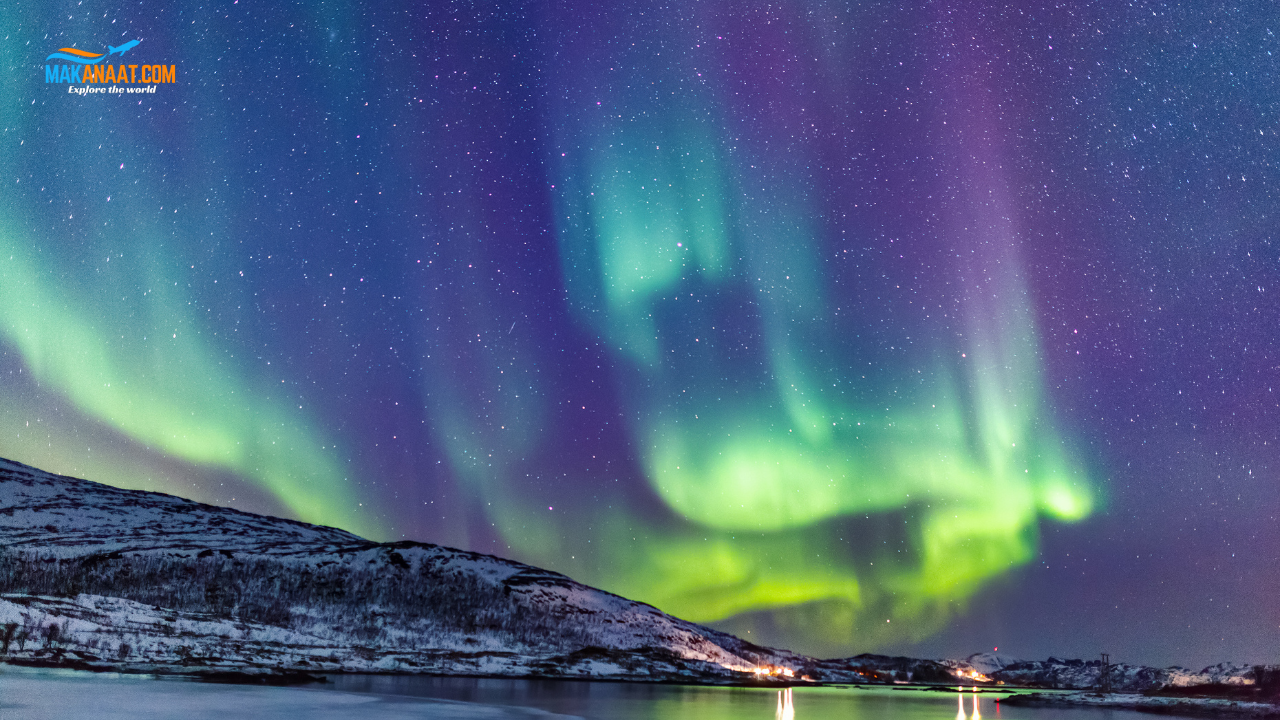
Yes — during extreme solar storms.
According to NOAA data, Florida sightings require a G3–G4 storm level, which statistically happens only a few times per year during solar maximum. During the November 2025 event, auroras were photographed from:
Tampa Bay
Daytona Beach
Central Florida wetlands
Panhandle coast
The key insight:
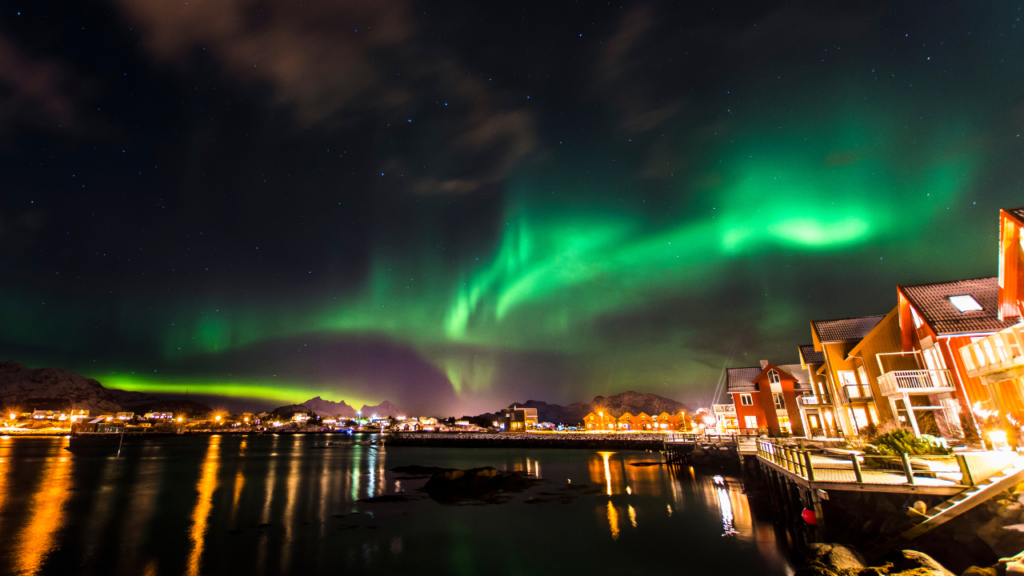
Florida auroras are usually faint red or purple glows low on the northern horizon — and city light pollution can erase them.
That’s why location strategy is everything.
Read More: Top 9 Northern Lights Places in February 2026
What Are the Best Drive-To Aurora Spots From Central Florida?
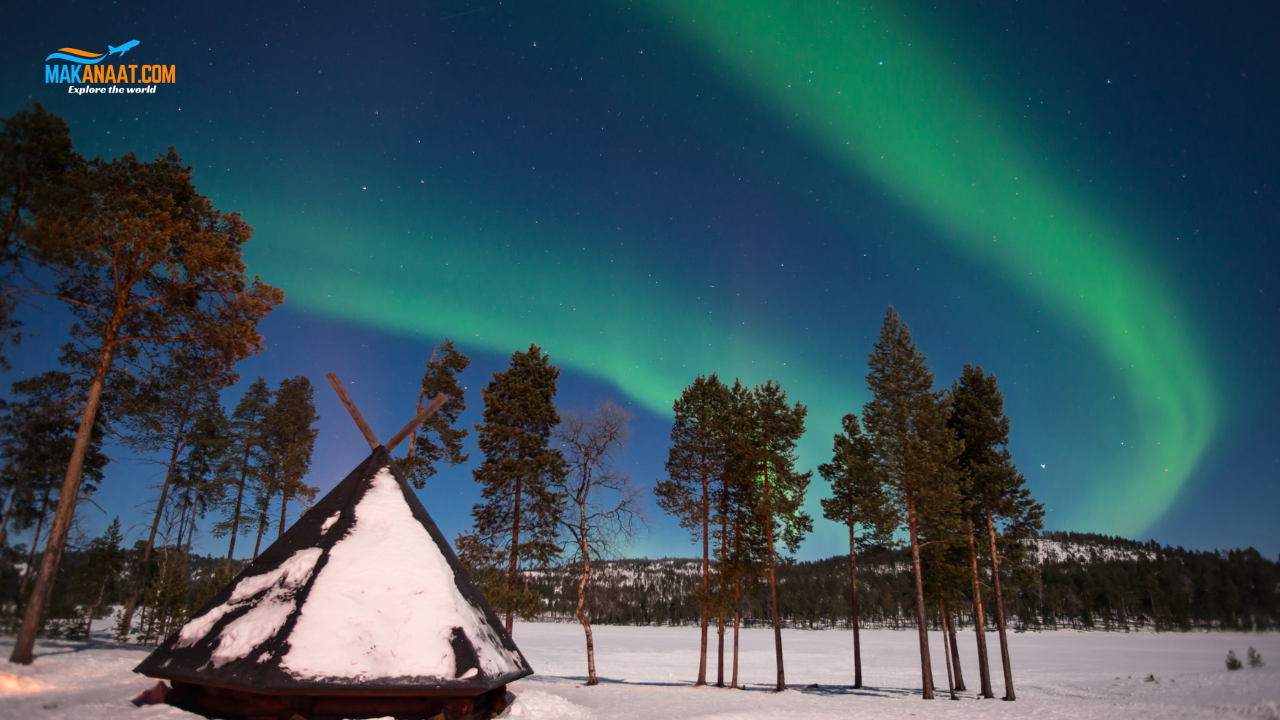
If you’re based around Orlando, Tampa, or the I-4 corridor, these locations give the strongest odds.
Kissimmee Prairie Preserve State Park
Drive time: ~1.5–2 hours from Orlando
Best direction: Face north or northwest
Sky quality: Among the darkest in Florida
Why it works:
Certified Dark Sky Park
Open prairie horizon
Minimal artificial lighting
Astronomy viewing pads designed for night use
Parking/access tip:
You must reserve a campsite or after-hours permit for legal night entry. This isn’t optional — park gates close at sunset.
Backup if cloudy:
Drive east toward rural St. Cloud farmland. Open fields often sit below cloud layers trapped inland.
Ocala National Forest
Drive time: ~1.5 hours from Orlando
Best direction: Face north over Lake George or forest clearings
Sky quality: Low light pollution belt
Why it works:
Higher latitude than Central Florida metros
Vast primitive zones
Clear northern sightlines
Parking/access tip:
Use designated forest pull-offs or boat ramps. Avoid blocking fire roads. Bring red flashlight lighting to preserve night vision.
Backup if cloudy:
Shift east toward Palatka or rural Putnam County, where coastal air sometimes clears faster.
Canaveral National Seashore (North End)
Drive time: ~1.5 hours from Orlando
Best direction: Face north along the shoreline
Sky quality: Coastal darkness with open horizon
Why it works:
Atlantic horizon blocks city glow
Long flat northern exposure
Sea breeze clears haze
Parking/access tip:
Check hours — gates close at sunset. Some parking areas allow late exit but not late entry.
Backup if cloudy:
Cross inland toward Lake County farmland.
What are the best spots in Tampa Bay?
Tampa sits under heavy light pollution. You need to escape the glow quickly.
Chassahowitzka Wildlife Refuge
Drive time: ~1.5 hours north
Best direction: Face north over the wetlands
Sky quality: Rural darkness
Parking tip:
Use public boat ramps or trailhead lots. Avoid private property access roads.
Backup:
Continue north toward the Citrus County coastline.
Fort De Soto (North Beach Area)
Drive time: 45 minutes
Best direction: Face north across the bay
Sky quality: Moderate, but the water horizon helps
Backup:
Drive inland toward rural Pasco County.
Are There Better Odds in the Florida Panhandle?
Yes — statistically, the Panhandle has the best in-state chance.
Even a small latitude gain increases aurora visibility probability during marginal storms.
St. George Island State Park
Drive time: ~1.5 hours from Tallahassee
Best direction: Face north over the Gulf
Sky quality: Excellent coastal darkness
Parking tip:
Arrive before sunset to guarantee access.
Backup:
Drive east toward Gulf County beaches.
Apalachicola National Forest
Drive time: ~1 hour from Tallahassee
Best direction: Face north from forest clearings
Sky quality: Very dark inland skies
Parking tip:
Stick to marked forest roads and designated pull-offs.
Backup:
Shift south toward coastal Franklin County.
What Direction Should You Face During an Aurora in Florida?
Always face north.
Auroras appear low on the horizon from Florida — often only 5–10 degrees above it.
Best viewing environments:
Beaches facing north
Open prairie or farmland
Wetlands
Lakeshores
Forest clearings
Avoid:
Hills blocking the horizon
Cities to your north
Parking lot lights
Highway overpasses
When Is the Best Time to Look?
Research from long-term aurora observations shows peak visibility occurs between:
10 PM – 2 AM
This window offers:
Maximum geomagnetic alignment
Deepest darkness
Less atmospheric haze
Moon phase matters. A bright moon can reduce aurora contrast by up to 40%.
How Do You Maximize Your Chances?
Treat aurora hunting like a tactical mission:
Wait for Kp 7+ alerts
Monitor NOAA Aurora Dashboard
Use Aurora forecast apps
Drive north within Florida if possible
Escape the city glow completely
Bring a tripod + long-exposure camera
Allow eyes 20–30 minutes to adjust
Important insight:
Cameras often detect auroras invisible to the naked eye. Even faint red arcs can explode with color in a 5–10 second exposure.
What If Clouds Ruin Your Primary Spot?
Florida weather changes fast. Always have a backup zone within 45–60 minutes.
General rule:
Inland cloudy? Drive toward the coast.
Coastal fog? Drive inland.
Thunderstorms north? Shift east/west.
The goal is not perfection — it’s adaptability.
Ready to Plan Your Aurora Trip in Florida?
If you want to explore these dark-sky destinations and experience Florida’s rare northern lights in comfort, let the experts handle your travel planning.
From transportation and lodging to guided night-sky access in remote locations, Makanaat.com can arrange a smooth, stress-free trip tailored around the next solar storm window.
👉 Visit makanaat.com and speak with a travel specialist today.
Your aurora adventure starts with the right plan.