Best Travel Agency in Dubai

Helmet Tribute Controversy Rocks Winter Olympics 2026 on Day 6

Day 6 Shock at Winter Olympics 2026: Helmet Ban Sparks Disqualification

Quick Summary 

  • Ukrainian skeleton athlete Vladyslav Heraskevych was disqualified from the 2026 Winter Olympics

  • The IOC banned his helmet honoring Ukrainian athletes killed in the war

  • He refused to switch helmets despite multiple warnings

  • IOC says rules prohibit political messaging on the field of play

  • Heraskevych plans to appeal the decision

  • Ukrainian officials call the ruling unfair and discriminatory

  • The incident sparked emotional reactions inside the Olympic village

  • Fans say his act was bigger than sport

Winter Olympics 2026 Day 6: Heraskevych Disqualified Over Helmet Tribute — What We Know

The 2026 Winter Olympics in Milan-Cortina took a dramatic turn when Ukrainian skeleton slider Vladyslav Heraskevych was officially disqualified. Not because of performance. Not because of injury. But because of a helmet.

And that helmet carried a message the IOC said could not appear in competition.

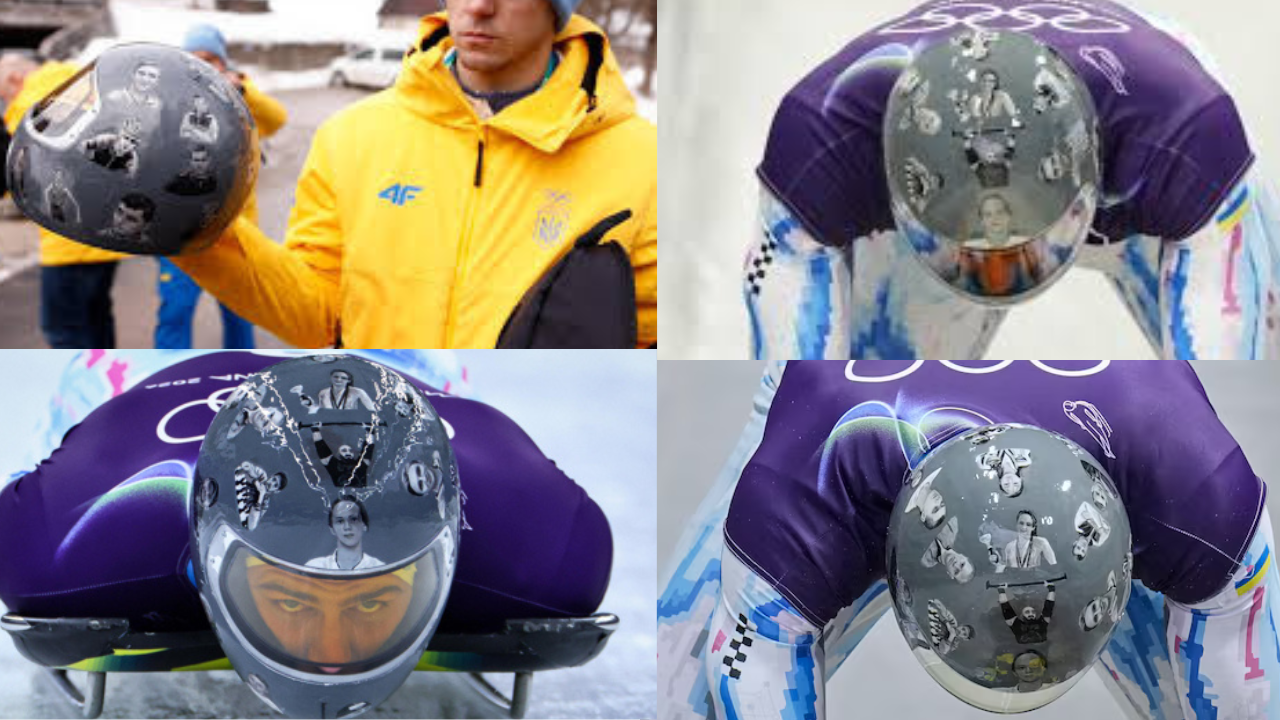
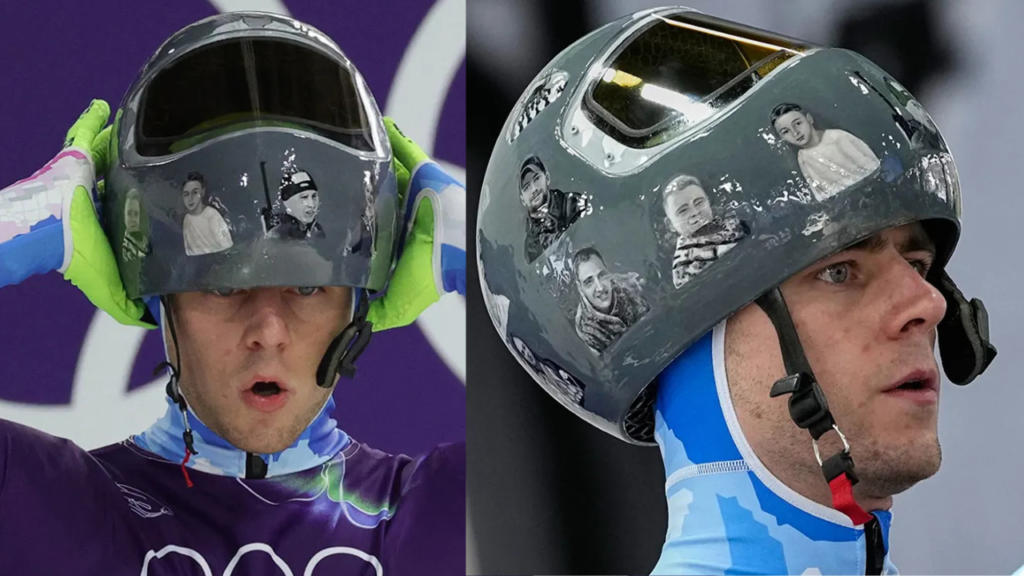
Heraskevych’s helmet featured photos of Ukrainian athletes and coaches killed in the war with Russia. For him, it was remembrance. For Olympic officials, it was a political expression. And that clash turned into one of the most emotional controversies of the Games.

Why the Helmet Became a Problem

What images are on Heraskevych's helmet

The International Olympic Committee has strict rules about athlete expression during competition. These rules exist to keep the Games neutral and prevent political statements on the field of play.

The IOC told Heraskevych the helmet violated those guidelines.

They offered alternatives:

  • Wear a plain helmet during competition

  • Display the tribute helmet off the ice

  • Use a black armband instead

He declined all of them.

His stance was simple:

“These people sacrificed their lives. I am here because of them. I will not betray them.”

That refusal triggered his removal from the event.

What images are on Heraskevych’s helmet?

Vladyslav Heraskevych’s helmet featured portraits of around 24 Ukrainian athletes, coaches, and others killed since Russia’s 2022 invasion. These served as a tribute to his compatriots, some personal friends, blending military personnel, civilians, and Olympians.

What Specific Faces Were on the Helmet?

Key individuals included:

  • Alina Perehudova (teenage weightlifter, killed in airstrike).

  • Pavlo Ishchenko (boxer, killed post-invasion).

  • Oleksiy Loginov (ice hockey player).

  • Dmytro Sharpar (figure skater, former teammate, died near Bakhmut).

  • Oleksiy Habarov (shooter).

  • Daria Kurdel (dancer, civilian airstrike victim).

  • Others like Ivan Kononenko (actor/athlete), Mykyta Kozubenko (diving coach), Maksym Halinichev (Youth Olympic medalist boxer), and Yevhen Malyshev (19-year-old biathlete).

Why These Images Mattered Deeply?

Heraskevych called some “my friends,” noting they died defending Ukraine or aiding others—part of nearly 500 Ukrainian sports figures lost. The helmet had no slogans, just faces, but IOC Rule 50 deemed it field-of-play propaganda.

An Emotional Morning Inside the Olympic Village

IOC President Kirsty Coventry personally met with Heraskevych before the race. She later spoke to reporters in tears.

She emphasized the IOC was not against the message itself — only the location of the message.

“No one is disagreeing with the remembrance. The challenge was finding a solution for the field of play.”

Despite the effort, no compromise was reached.

The IBSF jury ruled the helmet non-compliant. The IOC then withdrew his accreditation, officially ending his Olympic participation.

Ukraine Reacts: “A Moment of Shame.”

The reaction from Ukraine was immediate and intense.

Ukraine’s foreign minister called the decision a disgrace. Fellow athletes praised Heraskevych as a champion “even without starting.”

Fans who traveled to support him were devastated.

One Ukrainian supporter said:

“This is bigger than a medal. He won the medal of our hearts.”

For many, the issue was no longer sport — it became a symbol of identity, grief, and protest.

Appeal Incoming: This Fight Isn’t Over

Heraskevych plans to appeal to the Court of Arbitration for Sport (CAS). A Latvian federation coach has also filed a protest requesting reinstatement.

Whether that appeal succeeds remains uncertain.

But what is certain is this:

The controversy has already reshaped the conversation around athlete expression, Olympic neutrality, and the limits of protest on the world stage.

Bigger Than Sport

The Olympics often claim to rise above politics. Yet history shows the Games frequently become a mirror of global tension.

This moment joins a long list of Olympic flashpoints where personal expression collided with institutional rules.

For Heraskevych, the decision was never about medals.

It was about memory.

And now the world is debating where the line between sport and humanity should be drawn.


FAQs

What Sparked the Helmet Drama at the 2026 Winter Olympics?

Imagine sliding headfirst down an icy track at 130 km/h, but getting kicked out before the race even starts—all over your helmet. That’s what happened to Ukrainian skeleton athlete Vladyslav Heraskevych on Day 6 in Milan-Cortina. His helmet featured photos of over 20 Ukrainian athletes and coaches killed since Russia’s 2022 invasion, turning a personal tribute into a global firestorm.

Why Did Heraskevych Refuse to Back Down?

Heraskevych saw the helmet as a way to honor heroes who paved his path to the Olympics, not politics. Despite IOC offers like a plain helmet, black armband, or displaying it off-ice, he stood firm: “These people sacrificed their lives. I am here because of them.” This echoes data showing nearly 500 Ukrainian athletes and coaches killed in the war, with ongoing destruction of 518 sports facilities.

Why Did the IOC Pull the Plug on His Helmet?

The IOC enforces strict neutrality under Rule 50 of the Olympic Charter, banning “any form of demonstration or political, religious, or racial propaganda” on the field of play. They stressed it wasn’t the message—they support remembrance—but its placement during competition.

How Does Rule 50 Play Out in Real Numbers?

Historical data reveals the rule’s bite: 49% of athletes never protest publicly, per a Publicis report, while icons like 1968’s Tommie Smith and John Carlos faced expulsion for their Black Power salute. A 2021 U.S. survey found 44% view Olympic protests as inappropriate, highlighting divided opinions that fuel these clashes.

What Does Rule 50 Specifically Prohibit?

Rule 50.2 states: “No kind of demonstration or political, religious or racial propaganda is permitted in any Olympic sites, venues or other areas.” This covers fields of play, medal ceremonies, opening/closing ceremonies, and the Olympic Village—key spots to preserve neutrality.

Where Can Athletes Actually Speak Freely?

Athletes can express views via interviews, press conferences, social media, or team meetings, as long as they don’t disrupt events. Gestures like kneeling, hand signs, flags (non-national), or armbands are off-limits during competition.

Why Does the IOC Insist on This?

The goal? Keep focus on athletic performance amid 200+ nations, avoiding division. Historical protests—like 1968’s Black Power salute—led to expulsions, shaping these guidelines developed with the Athletes’ Commission. Violations trigger case-by-case sanctions, from warnings to disqualification, as in Heraskevych’s helmet case.

What Went Down in That Tense Olympic Village Meeting?

IOC President Kirsty Coventry met Heraskevych face-to-face at the Cortina sliding center, but no deal was struck. The IBSF jury deemed the helmet non-compliant, leading to his accreditation withdrawal right before his run. This personal standoff amplified emotions, with Coventry later addressing reporters in tears.

Can Data Show Patterns in Skeleton Disqualifications?

Skeleton demands precision—sleds max 1200mm long, athletes plus sled capped at 115kg for men—with rare DQs mostly for tech fails, not expression. Heraskevych’s case stands out as Day 6’s top controversy amid early medal tallies.

How Did Ukraine and Fans Explode in Reaction?

Ukraine’s officials slammed the ruling as “discriminatory,” praising Heraskevych as a “champion of hearts.” Fans chanted in support, seeing it as bigger than medals—a symbol of grief amid war losses exceeding 500 athletes.

What Stats Reveal About War’s Toll on Ukrainian Sports?

Research confirms 479 athletes killed since 2022, including Olympians, with many more disabled, striking at the national identity. Heraskevych highlighted hypocrisy, noting a U.S. skater’s family tribute faced no ban.

Will Heraskevych’s Appeal Flip the Script?

He’s heading to the Court of Arbitration for Sport (CAS), backed by a Latvian federation protest for reinstatement. Past Rule 50 cases, like 2019 probations for U.S. athletes’ anthem protests, show mixed outcomes.

What History Says About Olympic Protest Wins?

From 1906’s anti-colonial flag protest to modern fist raises, athletes often face probation or expulsion, but social movements boost visibility—44% public opposition persists. This could redefine expression limits.

Leave a Reply

Your email address will not be published. Required fields are marked *