Quick summary
Curling is about sliding stones closest to the center target to score points
Matches are played in rounds called “ends,” and only one team scores per end
Sweeping controls speed and direction by warming the ice
Scotland dominates curling thanks to culture, facilities, and elite training
Mixed doubles adds strategy, like the “power play” option
New electronic handles now detect fouls automatically
Italian champion Stefania Constantini is a hometown hero in Cortina
Technology is making curling fairer without killing its honor culture
Curling Rules Explained: How to Play at the 2026 Winter Olympics
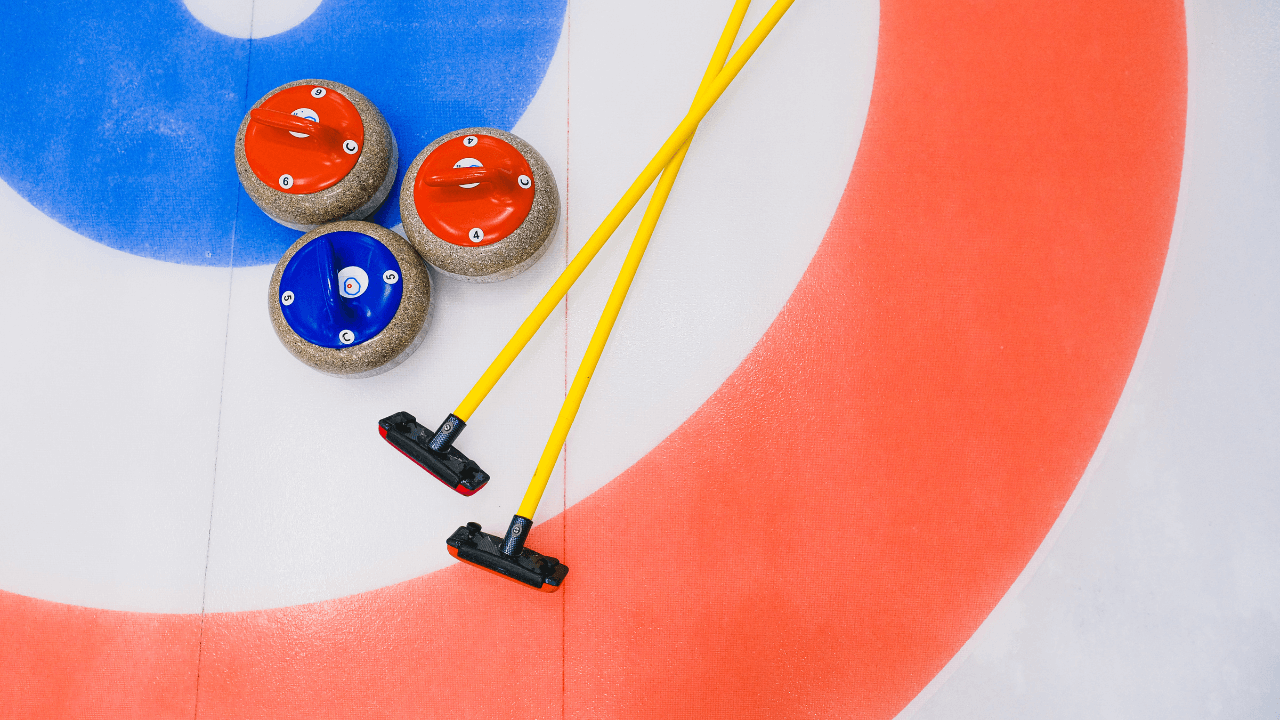
Curling at the Milan-Cortina 2026 Winter Olympics combines strategy, physics, and endurance on a pebbled ice sheet. With events like mixed doubles underway, Italy’s Stefania Constantini is defending her Beijing gold while new tech ensures fair play.
This guide breaks down rules, scoring, and why Scotland leads world rankings at 84.3 points for men’s teams.
What Is Curling and How Do You Play It?
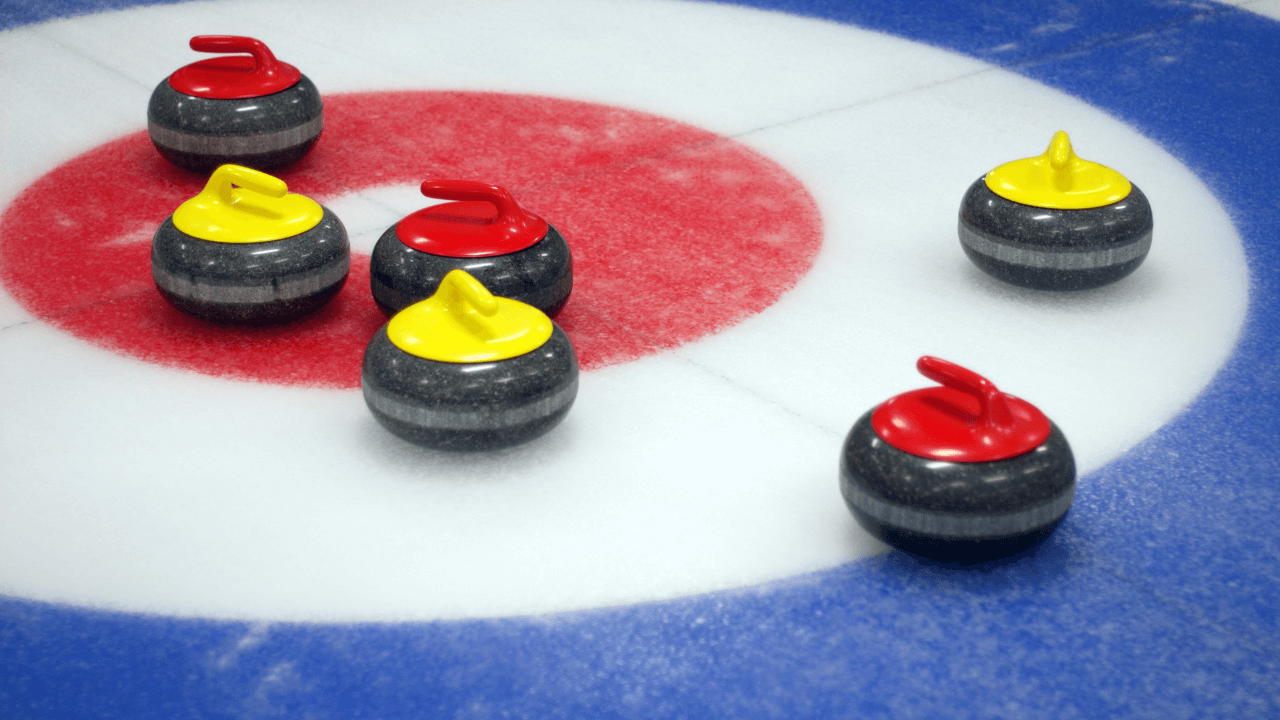
Curling pits two teams sliding 20kg granite stones down a 45m ice sheet toward the “house” target. Stones curl due to rotation and ice texture, with sweepers influencing the path.
Games last about two hours over 10 ends (men’s/women’s) or 8 (mixed). Only one team scores per end based on the stones closest to the button.
Three shot types dominate: guards protect the house, draws land inside for points, and take-outs knock rivals away.
Olympic stat: Stones from Scotland’s Ailsa Craig granite travel 30-35m, with pros controlling curl to within 10cm.
What Are Curling Ends and How Is Scoring Done?
Each end sees 16 stones thrown (8 per team in 4-player formats). The team with the closest stone to the button scores one point; additional closer stones add more.
No stones in the house? Blank end—no score. Ties go to extra ends.
| Format | Players/Team | Stones/End | Ends Played |
|---|---|---|---|
| Men’s/Women’s | 4 | 16 total | 10 |
| Mixed Doubles | 2 (1M/1F) | 10 total (+2 pre-placed) | 8 |
Scotland’s Team GB eyes medals after Beijing 2022’s two curling silvers.
How Does the Hammer Work in Olympic Curling?
The hammer is the last stone of an end, often game-changing. Pre-game draw decides it; scoring teams pass it to opponents.
Skips may have blank ends to retain the hammer for multi-point setups. In mixed, power play holders must have it.
Data: Hammer teams score 70% more often in elite play.
What Is the Curling Power Play and When to Use It?
Exclusive to mixed doubles, each team gets one power play per game. Reposition pre-placed stones: your stone on the tee line (half in 8ft/12ft circles), opponent’s guard offset.
Boosts scoring by 35%, ideal for hammer holders—not extras.
Italy’s Constantini-Mosaner used it effectively vs. Sweden recently.
Why Does Sweeping Make Stones Curl Less?
Sweepers brush ahead of the stone, melting pebbles for less friction. Elite efforts extend distance 2-3m or straighten paths.
Profiles match 400m runners: high VO2 max for 2-minute bursts.
New 2026 electronic handles flash red for hog-line fouls (late release), ending honor-system reliance.
Why Is Scotland #1 in World Curling Rankings?
Scotland tops men’s rankings (84.3 pts) with 14 world golds; women’s at #3.
22 UK rinks (most), Stirling Academy, and school programs fuel talent. Six of 10 Team GB curlers hail from southwest Scotland.
Who Is Stefania Constantini Defending Gold For Italy?
Cortina’s 26-year-old “Stefi” won mixed doubles gold (Beijing 2022) and 2025 worlds with Amos Mosaner. Italy ranks #5 globally (41 pts).
Local hero: pizza named after her, reads Olympic oath. Recent win vs. South Korea sparked “I-ta-lia!” chants.
Family insight: Her stubbornness and precision—honed since age 8—drive success.
Curling Team Positions Explained
Four roles per rink, throwing two stones each in order:
| Position | Role | Throws |
|---|---|---|
| Lead | Guards, precise placement | 1st pair |
| Second | Guards/take-outs | 2nd pair |
| Third | Measurements, vice-skip | 3rd pair |
| Skip | Strategy, hammer often | 4th pair |
Alternates sub in; mixed uses one male/female pair.
Curling’s 1.5M global players grow yearly, blending honor with tech for fairer 2026 play.
Where Is Curling Played at the 2026 Winter Olympics?
Italy.
Curling at the 2026 Milan-Cortina Winter Olympics is played exclusively at the Cortina Curling Olympic Stadium (also called Cortina Olympic Stadium) in Cortina d’Ampezzo, a town in northern Italy’s Dolomites.
This venue, built for the 1956 Games and seating 3,000-3,500, hosts all men’s, women’s, and mixed doubles events from February 4-22. It’s Italy’s curling hub and hometown of gold medalist Stefania Constantini.
What Are the Venue Highlights?
| Feature | Details |
|---|---|
| Location | Veneto region, Dolomitic Alps (near Milan cluster). |
| History | Hosted 1956 opening/figure skating; renovated for 2026 with modern ice/tech. |
| Capacity | 3,500 spectators; four sheets for parallel play. |
No other countries host Olympic curling—it’s centralized here for the Games.
When Is the Curling Schedule at the 2026 Winter Olympics?
Curling events at the Milan-Cortina 2026 Winter Olympics span February 4-22 at Cortina Curling Olympic Stadium in Italy.
All times are CET (local), 6 hours ahead of ET.
What Are the Mixed Doubles Dates and Times?
Mixed doubles runs February 4-10 with 13 round-robin sessions, then playoffs.
| Date | Session | Time (CET) |
|---|---|---|
| Wed Feb 4 | Round Robin 1 | 19:05-21:05 |
| Thu Feb 5 | RR 2, 3, 4 | 10:05 / 14:35 / 19:05 |
| Fri Feb 6 | RR 5, 6 | 10:05 / 14:35 |
| Sat Feb 7 | RR 7, 8, 9 | 10:05 / 14:35 / 19:05 |
| Sun Feb 8 | RR 10, 11, 12 | 10:05 / 14:35 / 19:05 |
| Mon Feb 9 (today) | RR 13 | 10:05-12:05 Semifinals |
| Tue Feb 10 | Bronze Medal | 14:05-16:05 Gold Medal |
What Are the Men’s and Women’s Curling Schedules?
Men’s and women’s events follow from February 11-22, each with 12 round robins.
| Date | Men’s Session | Women’s Session |
|---|---|---|
| Wed Feb 11 | RR 1 (19:05) | – |
| Thu Feb 12 | RR 2 (14:05) | RR 1 (09:05), RR 2 (19:05) |
| Fri Feb 13 | RR 3 (09:05), RR 4 (19:05) | RR 3 (14:05) |
| Sat Feb 14 | RR 5 (14:05) | RR 4 (09:05), RR 5 (19:05) |
| Sun Feb 15 | RR 6 (09:05), RR 7 (19:05) | RR 6 (14:05) |
| Mon Feb 16 | RR 8 (14:05) | RR 7 (09:05), RR 8 (19:05) |
| Tue Feb 17 | RR 9 (09:05), RR 10 (19:05) | RR 9 (14:05) |
| Wed Feb 18 | RR 11 (14:05) | RR 10 (09:05), RR 11 (19:05) |
| Thu Feb 19 | RR 12 (09:05) Semifinals (19:05) | RR 12 (14:05) |
| Fri Feb 20 | Bronze (19:05) | Semifinals (14:05) |
| Sat Feb 21 | Gold (19:05) | Bronze (14:05) |
| Sun Feb 22 | – | Gold (11:05) |
Today (Feb 9): Mixed doubles final round robin at 10:05 CET, semis at 18:05 CET. Live updates on Olympics.com.