Summary: Tesla’s Shift from Electric Cars to Humanoid Robots
-
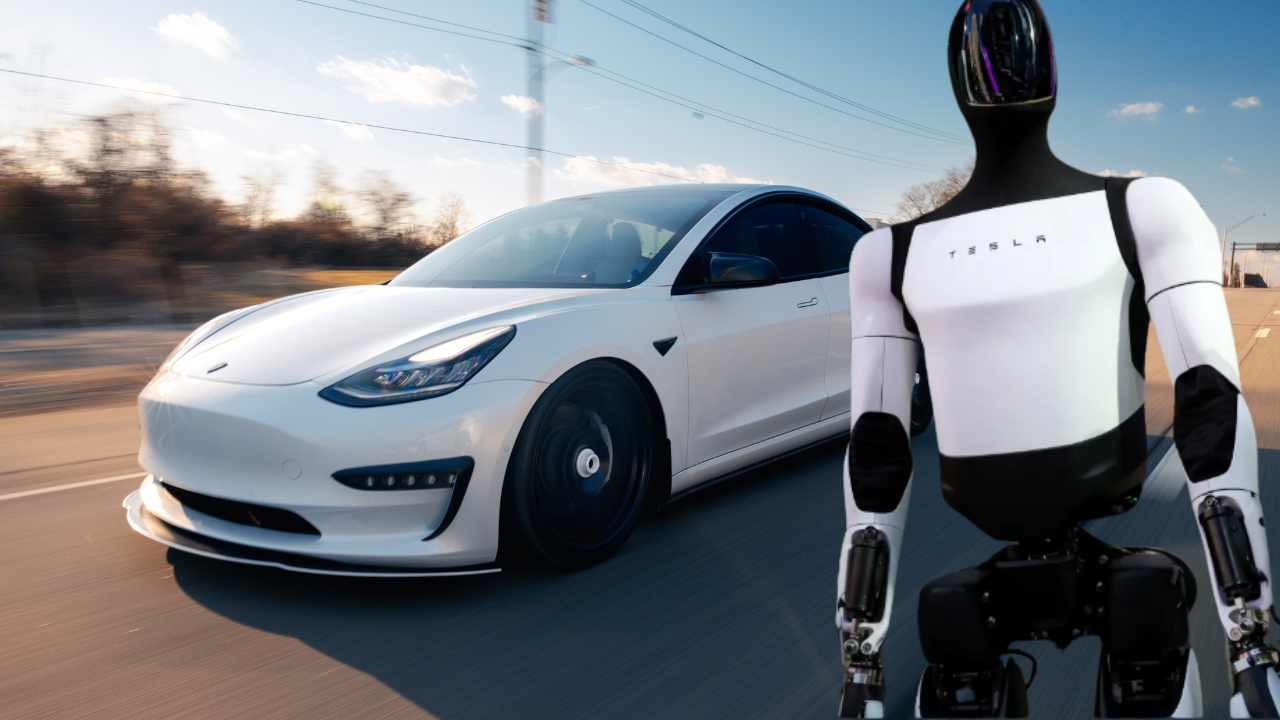
Model S and X Production Ends: Elon Musk announced that Tesla will stop producing the Model S and X vehicles, focusing instead on humanoid robots.
-
Factory Reinvestment: Tesla’s Fremont, California, factory will be repurposed for the production of Optimus, Tesla’s humanoid robot.
-
Record Revenue: Despite slumping car sales and a first-ever annual revenue decline, Tesla’s optimistic AI and robotics projects helped it exceed Wall Street’s earnings expectations.
-
Future Focus: Musk emphasizes Tesla’s transition to becoming a “physical AI company,” with plans to begin mass production of Optimus robots by 2027.
-
Tesla’s Challenges: Tesla faces increasing competition from companies like BYD and struggles with declining vehicle sales, especially in Europe.
Tesla’s Bold Pivot: From Electric Cars to Optimus Robots
A New Chapter for Tesla
Elon Musk has made a surprising announcement that Tesla is discontinuing production of its flagship vehicles, the Model S and Model X. These two models, which have been around since the early 2010s, are being phased out as Tesla repositions itself for the future. Musk revealed that the Fremont factory in California, which currently produces the Model S and X, will be repurposed to build Tesla’s ambitious Optimus humanoid robots.
The End of an Era for Tesla’s Car Production
The Model S and Model X have been staples of Tesla’s lineup for over a decade, but Musk described the decision to end their production as a necessary step. “It’s time to bring the Model S and X programs to an end with an honorable discharge,” he said. These vehicles, while groundbreaking in their time, have seen their appeal wane as competition in the electric vehicle (EV) market has ramped up. Despite price cuts to stay competitive, Tesla’s Model 3 and Model Y have dominated sales, making up 97% of the company’s 1.59 million deliveries in 2025.
What’s Next for Tesla?
Tesla’s future lies in artificial intelligence (AI) and robotics, with Musk pushing to shift the company’s focus from traditional EVs to autonomous vehicles and humanoid robots. The Optimus robot is designed to be an intelligent bipedal robot capable of taking on various tasks like factory work, delivery, and even caregiving. Tesla plans to unveil the third-generation Optimus robot in the first quarter of 2026, signaling a major shift in their business model.
Tesla’s Transition to AI and Robotics
Musk envisions Optimus becoming the “biggest product of all time,” and the company’s pivot from a hardware-driven business to a physical AI company is already underway. Musk has already highlighted the immense potential for these robots to transform industries, and he believes they will be a key part of eradicating poverty in the future. Tesla plans to produce and sell Optimus robots to the public by 2027.
In the meantime, Tesla’s Fremont factory will be converted into a production line for Optimus, with Musk confirming the company plans to ramp up production, aiming for 1 million robots per year once the supply chain is fully operational.
Challenges and Future Prospects
While Tesla’s stock price has surged in recent months due to the promise of AI investments, the company has faced significant challenges. Vehicle sales have dropped sharply, especially in Europe, and Tesla’s Cybertruck has struggled with a 48% decline in sales. Meanwhile, BYD, a Chinese automaker, overtook Tesla as the world’s largest electric vehicle manufacturer in 2025, offering consumers more affordable alternatives.
Despite these challenges, Tesla’s pivot to AI and robotics has kept investors optimistic. Musk has promised significant growth in the years ahead, but the road to success in the AI robotics space is still uncertain, and it remains to be seen how quickly these futuristic products can become mainstream and profitable.
The Big Shift: Tesla’s Focus on Robots and AI
Tesla’s Model S and Model X vehicles are stepping aside to make room for Optimus, a humanoid robot designed to change the world. While Tesla continues to experience challenges in its traditional vehicle sales, the company’s bold shift to AI-driven innovation marks a significant pivot toward the future. The transition from electric cars to robots is a bold move for Musk, but his vision for a robot-driven future might just be the next big thing in tech.
Will Optimus succeed where Tesla’s cars have faced stiff competition? Only time will tell, but one thing is certain: Tesla’s future looks like it will be driven by artificial intelligence and robotics, with an ambitious goal to revolutionize both the auto industry and the robotics market.
Tesla’s Global Shift: From Electric Cars to Optimus Robots and Its Worldwide Impact
How Tesla’s Pivot Will Impact the World and Benefit Travelers
Tesla’s move to discontinue the Model S and Model X production in favor of building Optimus humanoid robots is not just a shift for the company but a potential game-changer for industries worldwide. As the electric vehicle market becomes increasingly competitive, Tesla is looking to position itself at the forefront of the AI and robotics revolution. The company’s future depends on the success of Optimus robots, which could fundamentally transform various sectors, from factory automation to personal caregiving. But how does this pivot affect the global landscape, and what does it mean for travelers?
Global Impact of Tesla’s New Focus on AI and Robotics
Tesla’s bold move to focus on AI and robotics will likely have ripple effects across multiple industries globally. While traditional car sales decline, the company’s shift to physical AI could revolutionize robotics manufacturing, autonomous transportation, and even industries such as healthcare and logistics. By transitioning production lines from cars to Optimus, Tesla aims to create a new market for humanoid robots, potentially reshaping the way businesses operate and how people live and work. This will have far-reaching implications for the global workforce, technology development, and industries looking to automate labor-intensive tasks.
Additionally, Tesla’s partnership with xAI, Elon Musk’s AI company, could accelerate the development of driverless cars and robotaxi services, leading to widespread changes in global transportation systems.
What Benefits Do Travelers Get from Tesla’s AI-Powered Future?
Travelers could see significant benefits from Tesla’s focus on AI-driven transportation and humanoid robots in the near future:
-
Autonomous Vehicles:
As Tesla continues to develop self-driving technology, travelers could soon enjoy autonomous ride-hailing services via robotaxis. These services would offer a more efficient, cost-effective, and comfortable travel experience, especially in urban areas where traffic congestion is a constant issue. -
Improved Travel Infrastructure:
With Tesla’s investment in AI and robotics, public and private transportation networks worldwide could integrate autonomous vehicles and robot-powered systems for more efficient, faster, and safer travel, reducing human errors and optimizing routes in real-time. -
Smarter Airports and Hotels:
Tesla’s Optimus robots could be deployed to assist travelers at airports, hotels, and transport hubs, providing services like check-ins, luggage handling, security assistance, and even personalized tours. This could result in a more seamless, efficient travel experience. -
Sustainable and Convenient Travel:
With Tesla’s commitment to electric vehicles and the pivot towards robotics, we can expect to see a world with sustainable travel options. Robot-driven transportation may offer a greener alternative to traditional forms of travel, especially if integrated with solar power and other renewable energy sources. -
AI-Enhanced Customer Service:
Imagine Optimus robots helping travelers with questions, checking in at your hotel, or even providing concierge services at popular tourist destinations. These advanced robots could make customer service in the travel industry more efficient and responsive.
Tesla’s shift towards AI and robotics isn’t just about cars anymore. It’s about transforming the way we live, work, and travel. As Tesla pushes forward with its Optimus robots, the world is on the brink of seeing travel become more connected, efficient, and innovative. The future of travel is likely to be increasingly powered by artificial intelligence and robotics, offering travelers enhanced experiences and convenience wherever they