Dense Fog and Smoke Create Hazardous Morning Travel Across Florida
Quick Summary
Dense fog is covering more than half of Florida on Thursday morning
35 counties are under a dense fog advisory until mid-morning
Visibility drops to ¼ mile or less in the worst areas
South Florida is also dealing with smoke from an active brush fire
Travel advisories issued along Alligator Alley
Drivers urged to slow down and use low-beam headlights
Conditions are expected to improve as temperatures warm later today
Fog Warning Across Florida: What’s Happening?
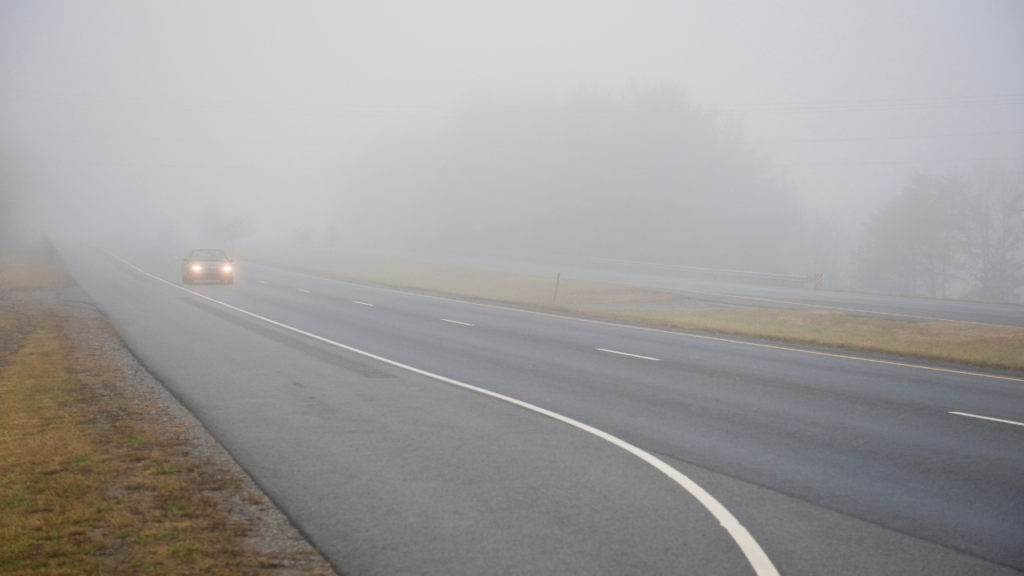
Florida drivers woke up to a thick blanket of fog stretching from the Panhandle all the way down to South Florida. Visibility in some spots has dropped to near zero, making the morning commute dangerous.
The National Weather Service has issued dense fog advisories for 35 counties, covering a large portion of the state. The advisory remains in effect through the morning hours, with the worst visibility reported inland.
In some areas, drivers can only see about a quarter mile ahead — roughly the length of a few football fields. That’s extremely risky at highway speeds.
Smoke Makes South Florida Even Hazy
The situation is worse in parts of Broward and Miami-Dade counties, where a brush fire is adding smoke to the already foggy air.
The wildfire, burning in northwestern Broward near Alligator Alley, has scorched thousands of acres. Winds are pushing smoke into nearby communities, reducing visibility and potentially impacting air quality.
Travel advisories have been issued along sections of Alligator Alley due to smoke and fog combined.
Meteorologists say the haze is being caused by:
The result: a murky, gray morning across South Florida.
How to Drive Safely in Dense Fog
If you must drive, safety experts recommend slowing down and adjusting your habits immediately.
Driving tips for foggy conditions:
Slow your speed
Use headlights even after sunrise
switch to low beams (high beams reflect glare)
increase the following distance
Turn off cruise control
avoid distractions
Watch for animals on the road
Use lane markers as visual guides
Never rely on hazard lights while moving
Fog reduces reaction time. Treat every mile like a caution zone.
If You Need to Pull Over
Sometimes the fog becomes too thick to continue driving safely. If that happens:
signal before pulling off the road
move as far off the roadway as possible
Turn on hazard lights once stopped
Never stop in a traffic lane.
Good News: Improvement Later Today
The fog isn’t expected to last all day.
As temperatures rise into the upper 70s and low 80s, visibility should improve, and skies will clear. South Florida will transition into a warm, sunny afternoon after the murky morning.
Meteorologists say the fog will burn off as sunlight heats the ground and disperses trapped moisture.
What’s Next for the Weather?
Looking ahead:
Friday: mild with a small chance of showers
Valentine’s Day: sunny and comfortable
Sunday–Monday: scattered showers possible
Drought conditions are still ongoing in parts of South Florida
Even with upcoming rain chances, forecasters say totals may remain light.
Foggy mornings can look peaceful — but they hide serious risks. Give yourself extra time, stay alert, and drive as if visibility could vanish at any moment.
What’s the Latest on Road Closures from Fog and Smoke?
Florida drivers dodged a full shutdown bullet this morning, but thick fog and wildfire smoke are still turning commutes into a nerve-wracking crawl. On February 12, 2026, no major highways like I-95 or Alligator Alley are closed statewide—yet advisories blanket over a dozen counties amid 135 active wildfires scorching 6,731 acres across the state.
Only one confirmed closure persists: State Road 40 in Volusia County, shut east of U.S. 17 thanks to a 63-acre brush fire. It’s contained now, but crews are watching hotspots closely—reopening depends on wind shifts and smoke clearance. No other fire-related blocks hit the radar today; FDOT and FL511 confirm I-95, Alligator Alley, and key arteries stay open.
Where Are the Biggest Travel Headaches Right Now?
Dense fog advisories (visibility down to ¼-½ mile) grip these spots until around 10 a.m. EST:
South Florida: Okeechobee, Palm Beach, Broward, Miami-Dade—prime for sudden zero-sight drops.
Central West Florida: Sumter, Lake, Osceola, Orange, Seminole, Inland Volusia—patchy haze lingers inland, worst.
Smoke zeroes in on Alligator Alley (I-75, mile markers 40-48), where FHP warns of low visibility from the Hendry County “West Boundary Road Fire.” No closure yet, but northwest winds keep pushing particulates low—treat it like a rolling hazard zone.
Why These Conditions Pack Such a Punch on Florida Roads?
Fog and smoke combo triggers 15-20% of the state’s weather-related crashes, mirroring national stats of 18,000+ incidents yearly. Alligator Alley? It sees risk triple under haze, with historical data logging 5+ closures per fire season from multi-car pileups. Florida’s flat terrain traps moisture overnight, amplifying winter fog by 25% per NOAA patterns—add drought-fueled fires, and you’ve got a perfect storm.
Grab FL511 or Waze for live cams, slow to 30-40 mph, low beams only, and triple your tailgating gap. Morning haze burns off by noon with temps hitting 78-82°F, but stay sharp—safety stats prove it saves lives. What’s your go-to fog-driving hack? Drop it in the comments!