
Olympic Heartbreak & One Last Shot: Shiffrin Still Fighting for Glory
Quick Summary
Mikaela Shiffrin finished off the podium in the Olympic giant slalom
Italian star Federica Brignone won gold in front of a home crowd
Shiffrin placed 11th, extending her Olympic medal drought
She’s still rebuilding confidence after a traumatic 2024 crash
One final chance remains: Wednesday’s slalom, her strongest event
She has dominated slalom all season and enters as the favorite
Shiffrin Misses Giant Slalom Podium — But Her Story Isn’t Over Yet
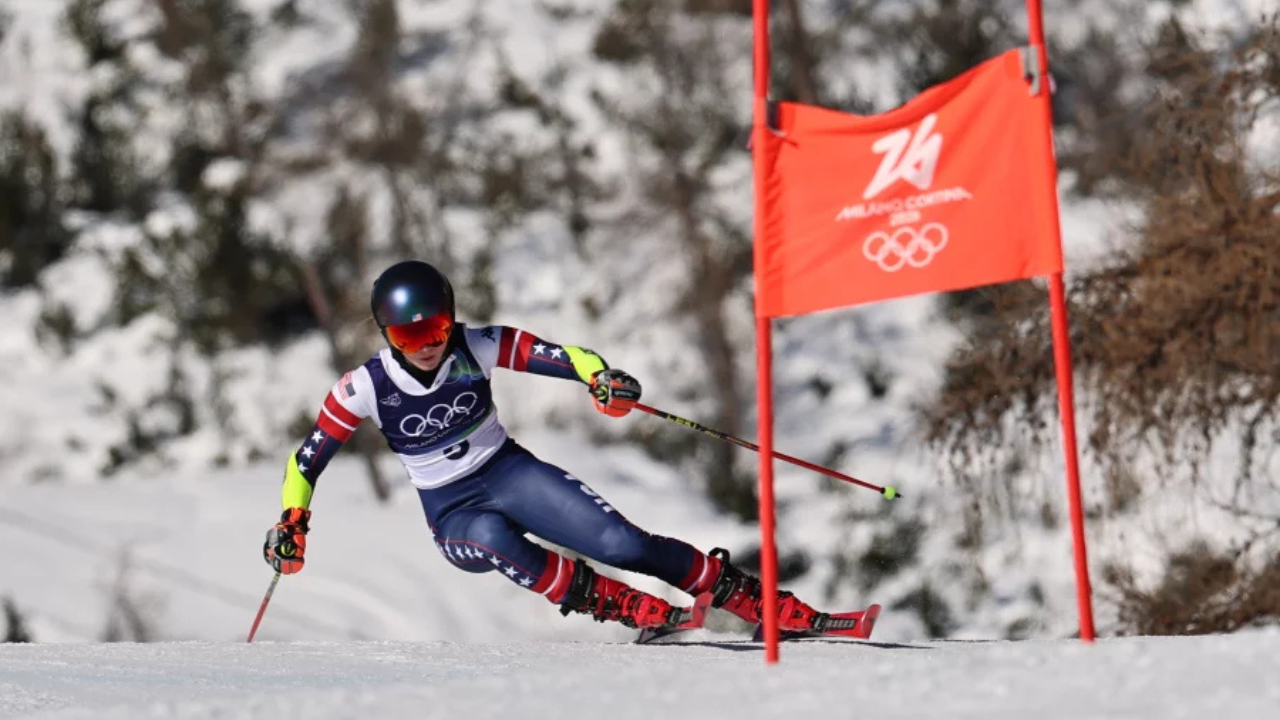
CORTINA D’AMPEZZO, Italy — Under bright blue skies and ideal mountain conditions, Mikaela Shiffrin raced hard Sunday. But it wasn’t enough to reach the podium. Again.
The American skiing legend finished 11th in the women’s Olympic giant slalom, extending a medal drought that has followed her since the 2018 Games. Meanwhile, Italy’s Federica Brignone electrified the home crowd, claiming her second gold medal of these Olympics in a stunning comeback performance.
For Shiffrin, the day carried a mix of frustration, pride, and quiet resilience — a reminder that Olympic pressure doesn’t care about resumes.
Brignone Owns the Moment in Front of a Roaring Crowd
While Shiffrin searched for speed, Brignone delivered a masterclass.
The 35-year-old Italian, whose career nearly ended after a severe leg injury last spring, powered through both runs with confidence and precision. Her victory marked not just another gold medal, but one of the most emotional wins of these Games.
Sweden’s Sara Hector and Norway’s Thea Louise Stjernesund tied for silver. No bronze medal was awarded — a rare twist in Olympic alpine skiing.
The home crowd erupted. Cortina felt like it was shaking.
The Invisible Battle: Recovery, Fear & Rebuilding Confidence
Shiffrin’s struggle isn’t just about time on the clock.
In late 2024, a brutal crash during a giant slalom race in Vermont left her with a puncture wound dangerously close to her colon — a life-threatening injury. The physical recovery took weeks. The mental recovery took longer.
She later revealed symptoms consistent with post-traumatic stress. Foggy vision. Hesitation. Fear of speed — a nightmare for an athlete whose success depends on attacking the mountain without doubt.
Even so, her progress heading into the Olympics looked promising:
6th → 5th → 4th → 3rd in her final World Cup giant slalom races before Cortina.
The trajectory was upward. But Olympic racing is a different universe. The margin for error shrinks. The pressure multiplies.
Sunday exposed how fragile that balance still is.
Fast Start, Fading Finish
On both runs, Shiffrin exploded out of the gate with intensity. At the top sections, she matched the leaders.
But mid-course, she couldn’t maintain the same aggressive tempo. She lost ground on technical transitions and rolling terrain where the fastest racers pushed the limit.
There were no major mistakes. No crashes. No chaos.
Just tenths of a second slipping away — the quiet kind of defeat elite athletes understand all too well.
And yet, she walked away proud of the effort.
“It felt good to push,” she said after the race.
“To be back in touch with the fastest women — that’s huge for me.”
That sentence says everything.
One Last Chance: Slalom Awaits
The Olympics now narrow to a single race for Shiffrin: Wednesday’s slalom.
And this is where the story changes tone.
She has won seven of eight World Cup slalom races this season. She already secured the discipline title. In slalom, she isn’t chasing — she’s the one everyone else is chasing.
But the Olympics have a history of ignoring favorites. Past results guarantee nothing.
Shiffrin knows this. She plans to rest, reset, and train once more before the start gate opens.
Then comes the final run. The final opportunity.
Twelve years after her first Olympic slalom gold, she stands on the edge of another defining moment.
Legacy in Motion
Whether she medals on Wednesday or not, Shiffrin’s career already towers over the sport. She owns more World Cup wins than any skier in history. Her greatness is established.
But the Olympics aren’t just about records.
They’re about moments — about standing in the noise, the expectation, the doubt — and racing anyway.
And that’s exactly what she’ll do.
One more mountain. One more chance. One more story waiting to be written.